Consider a couple from Denver landing at Terminal 3 of Delhi airport at 2 AM after a long flight via Singapore. They have their e-Visa printout, a hotel booking for that night and a driver waiting outside with a name board. Within an hour they are asleep in their room, and by the next afternoon they are standing in the courtyard of Humayun's Tomb, rested and curious. Another couple on the same flight arrives without a pre-arranged transfer, spends forty minutes arguing over taxi fares and checks in close to 4 AM. The difference between those two arrivals is preparation, and that is what this guide covers for anyone organising a first trip to India.
Start with the visa, because nothing else matters until it is sorted. Most visitors from the USA, UK, Australia, Canada, New Zealand and nearly every European country can use the India e-Visa, applied for online through the official government portal. The e-Tourist Visa comes in short, one-year and five-year versions. Fees depend on nationality and season, and on the high side you should budget roughly USD 25 to 40 for the 30-day e-Visa for many nationalities, about USD 40 to 80 for the one-year version, and up to USD 80 or more for the five-year version. British passport holders have historically paid more, often in the range of USD 80 to 160 depending on duration, so check the current fee for your passport on the official site only.
Apply at least four days before arrival, and ideally two to four weeks ahead to leave room for any correction. You upload a passport-style photo with a white background and a scan of your passport bio page, which must be valid for at least six months from arrival with two blank pages. Approval usually arrives by email within 72 hours. Print the approval and carry a digital copy too. Beware of unofficial websites that look official and charge double or triple the government fee; the real portal ends in gov.in.
Now the season. The best time to visit India for a first trip to the north, including Delhi, Agra and Rajasthan, is October to March. October and November are warm and clear, with daytime highs around 28 to 33 degrees Celsius. December and January are pleasant during the day at 20 to 24 degrees but cold at night, sometimes near 5 degrees in Delhi and the Rajasthan desert, and morning fog can delay flights and trains. February and March are lovely, with spring colour and comfortable temperatures. This is peak season, so hotels charge their highest rates around Christmas and New Year.
April to June is hot in the north, with daytime temperatures reaching 40 to 45 degrees in Delhi and Rajasthan. It is a good time for the Himalayas, Ladakh and hill stations, but tough for a classic first route. July to September brings the monsoon, with heavy showers and humid weather; Rajasthan looks green and lush, and hotel rates drop sharply, which suits budget-conscious travellers who do not mind some rain. Kerala and the south are best from November to February, while Ladakh is best from June to September.
For most first-time visitors, we suggest October to mid-December or February to March. You get good weather, reliable roads, open monuments and slightly lower hotel rates than the Christmas peak. If you can only travel during the Christmas holidays, book hotels and your driver early, as the best properties fill several months ahead. Your choice of month also affects what you pack, which we cover later in this guide.
Your First India Journey Deserves to Be Extraordinary
Planning your first visit to India? Let us turn your travel ideas into a seamless private journey. From choosing the right destinations to arranging comfortable transport and personalised experiences.
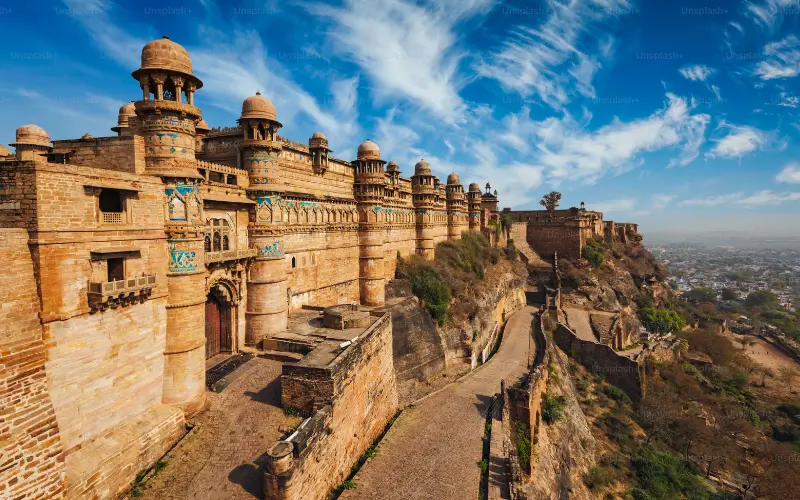
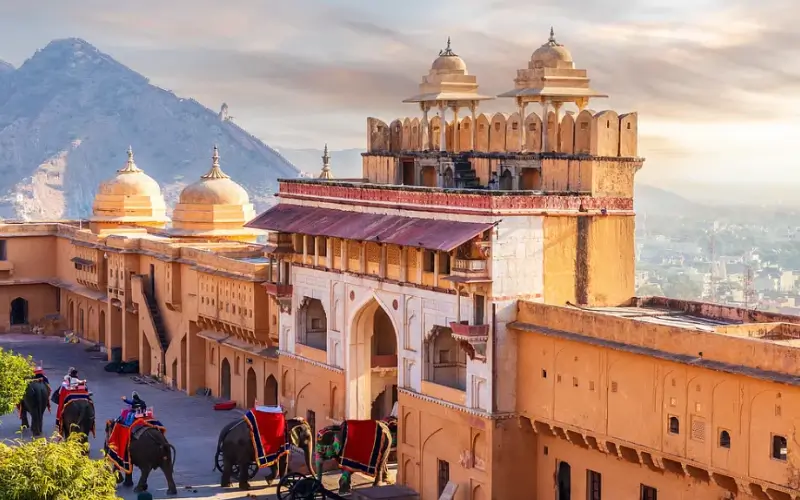
The Golden Triangle tour linking Delhi, Agra and Jaipur is the natural first route for most visitors. It covers the Taj Mahal, Agra Fort, Amber Fort, the City Palace in Jaipur, Old Delhi and the great Mughal tombs, all within a loop of about 720 km. Seven days gives a relaxed pace with time to rest. Our founder Magan Singh has driven this route thousands of times over more than 27 years, and the itinerary below reflects what works best for first-time guests.
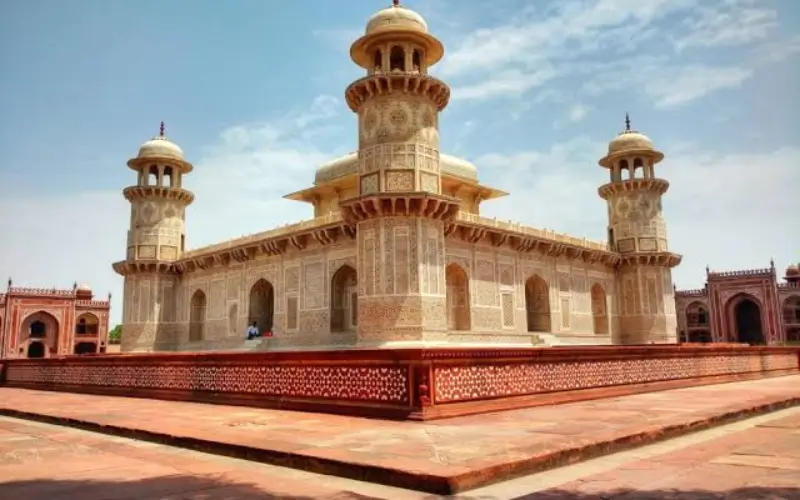
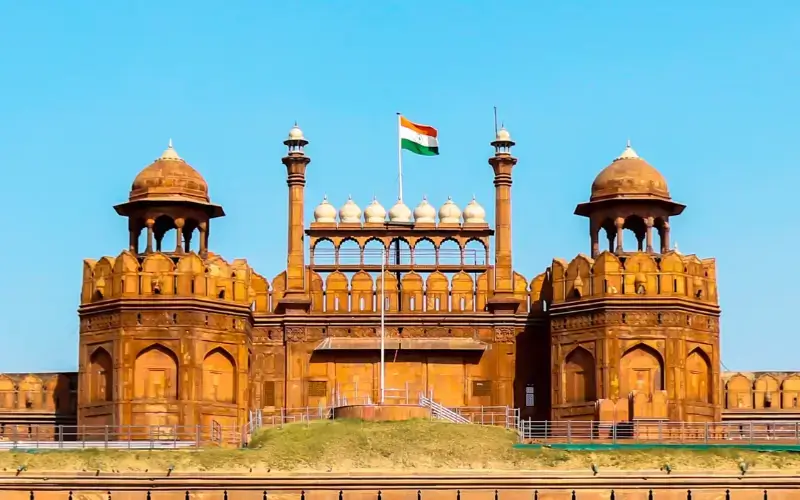
Day one is arrival in Delhi. A Delhi airport transfer from Terminal 3 to a central hotel takes 40 to 60 minutes and costs roughly INR 2,000 to 3,000 (about USD 24 to 36) in a sedan, more late at night. Rest, then take a gentle evening walk. Day two is a full Delhi day. Morning in Old Delhi includes the Red Fort exterior, Jama Masjid and a cycle rickshaw ride through Chandni Chowk, followed by the Gandhi memorial, India Gate and the government quarter. The afternoon covers Humayun's Tomb and the Qutub Minar. Foreigner tickets run about INR 600 to 1,100 per monument depending on the site.
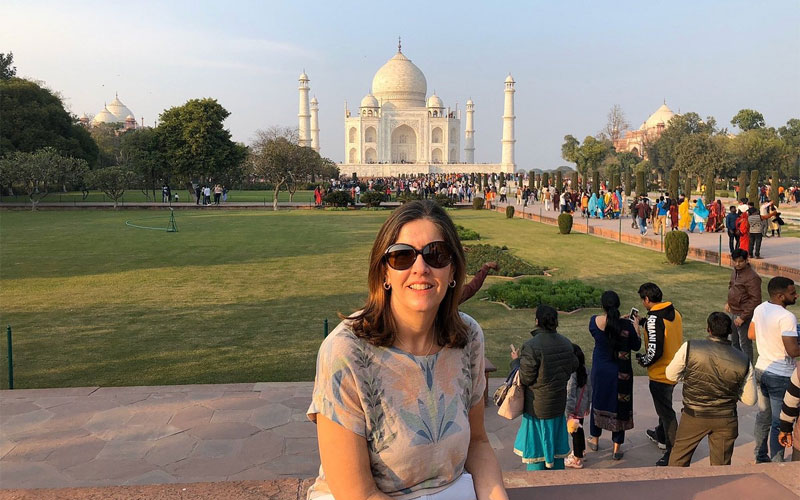
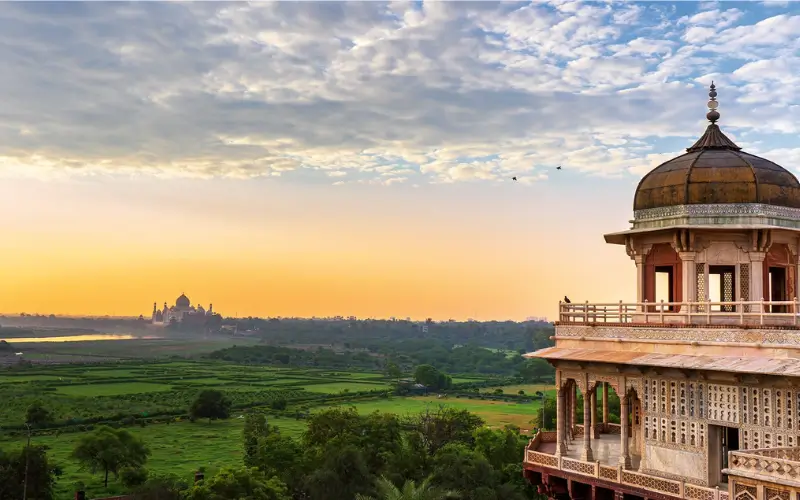
Day three is Delhi to Agra, about 230 km and three and a half to four hours by car on the Yamuna Expressway. After check-in, visit Agra Fort, then Mehtab Bagh across the river for a sunset view of the Taj Mahal. Day four begins with the Taj Mahal at sunrise. Gates open 30 minutes before sunrise, and the monument is closed every Friday. The foreigner ticket is about INR 1,100 plus INR 200 for the main mausoleum, so budget about INR 1,300 (around USD 16). After breakfast, drive to Jaipur via Fatehpur Sikri, about 240 km and five to six hours including the stop, with an optional halt at the Abhaneri stepwell.
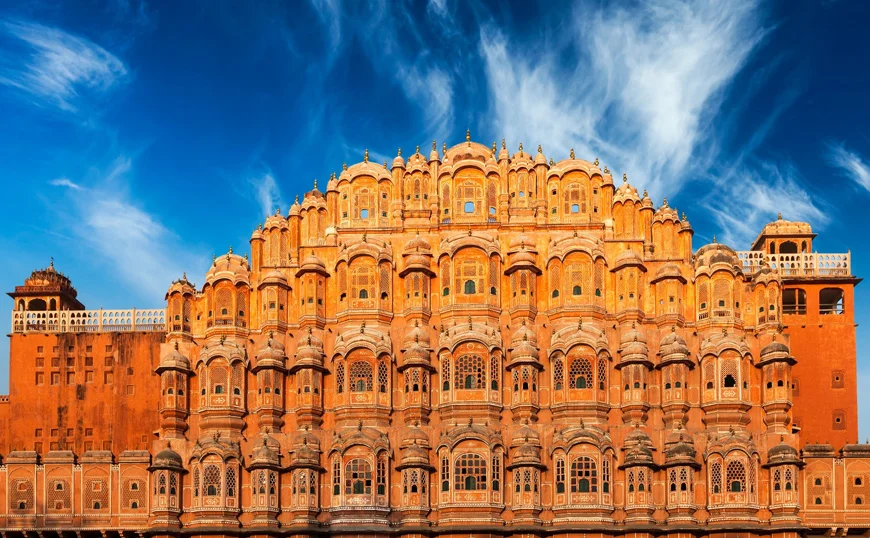
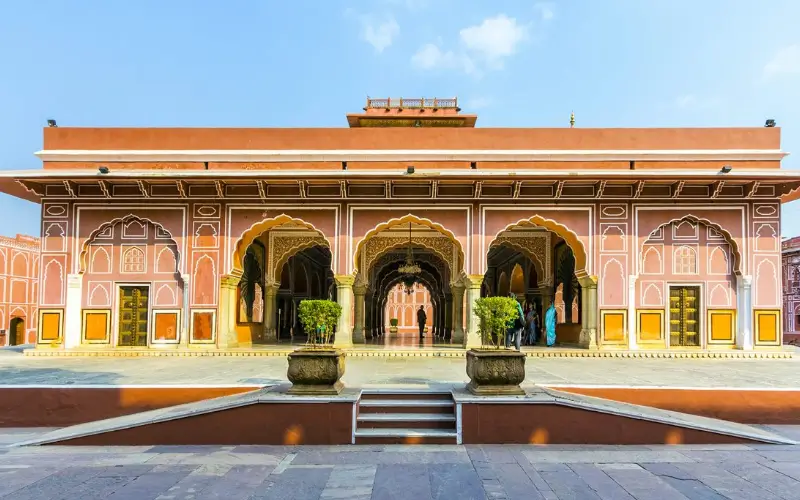
Day five is Jaipur's main sightseeing. Amber Fort opens at 8 AM and is best before the crowds, with a foreigner ticket of about INR 500 to 550. Then see Jal Mahal from the lakeside, the City Palace, the Jantar Mantar observatory and the Hawa Mahal facade. Day six is a slower Jaipur day for markets, block-printing workshops, a cooking class or a visit to Nahargarh Fort for sunset over the city. Day seven is the drive back to Delhi, about 280 km and five to six hours, timed for an evening flight home or onward.
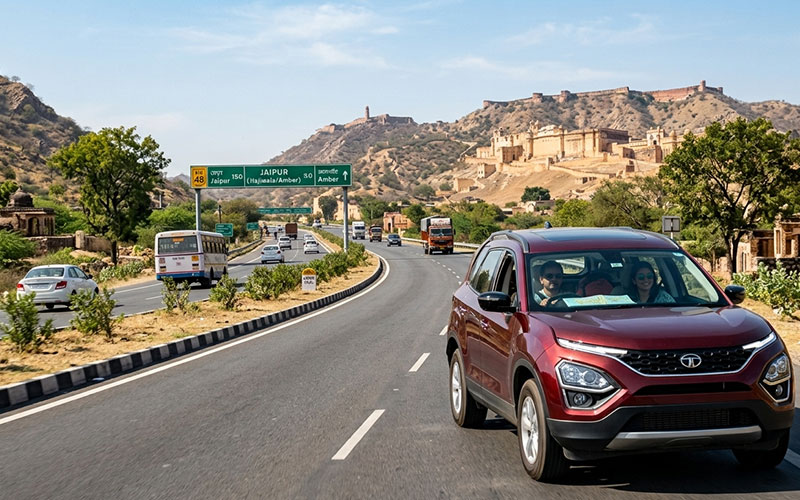
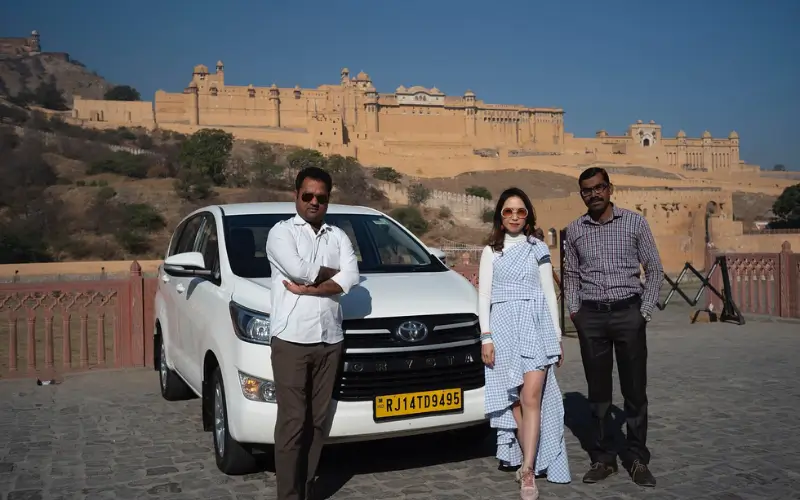
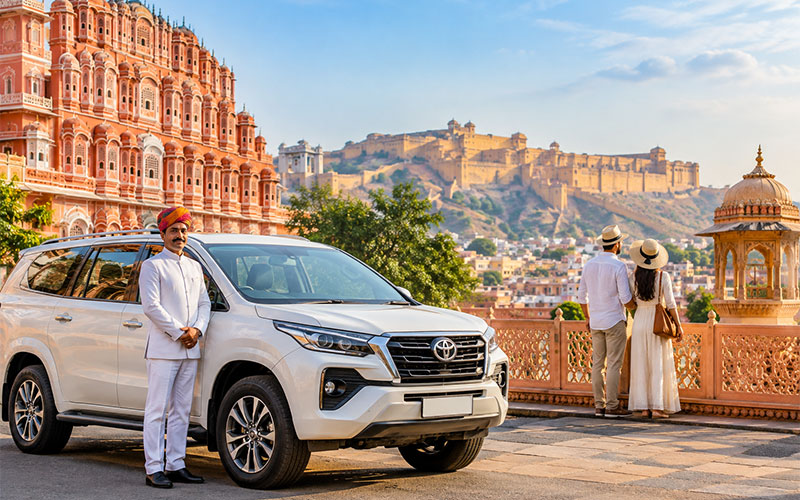
Transport for this route is best handled by a car with driver for the Golden Triangle. A Maruti Suzuki Ciaz sedan for two guests costs roughly INR 32,000 to 42,000 (about USD 385 to 505) for seven days, and a Toyota Innova Crysta for up to six guests runs about INR 42,000 to 55,000 (about USD 505 to 660). These rates usually include fuel, tolls, parking, state permits and driver allowance. Monument tickets, guide fees and tips are extra. Licensed local guides cost about INR 2,000 to 3,500 per city for a half or full day.
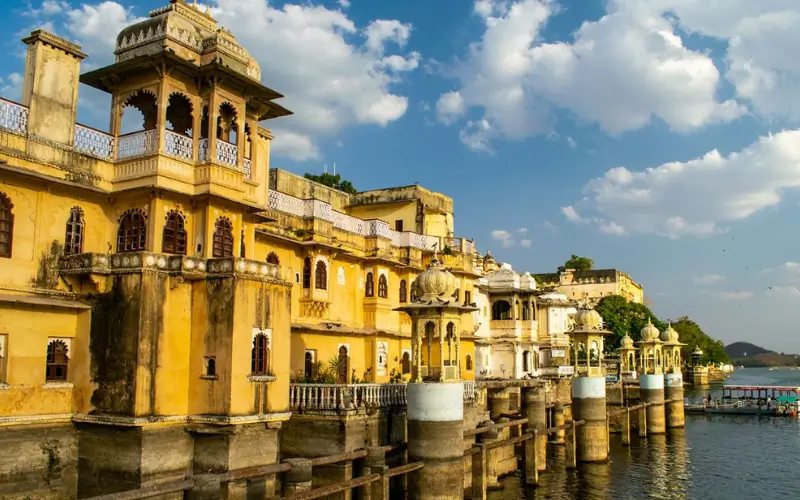
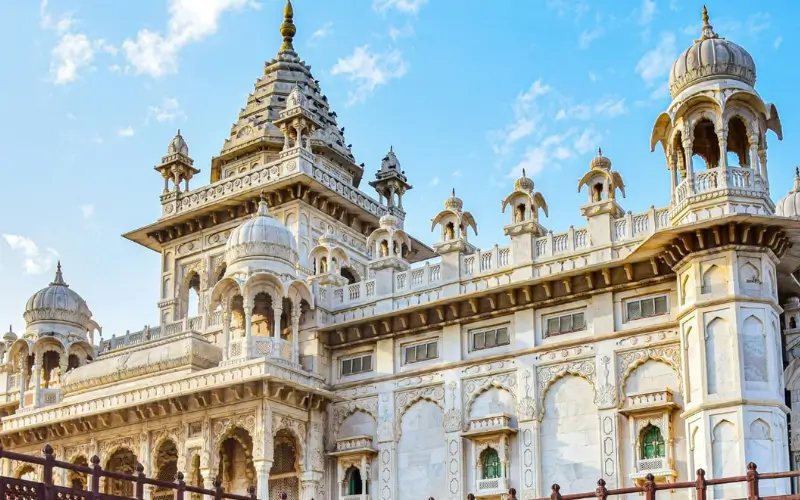
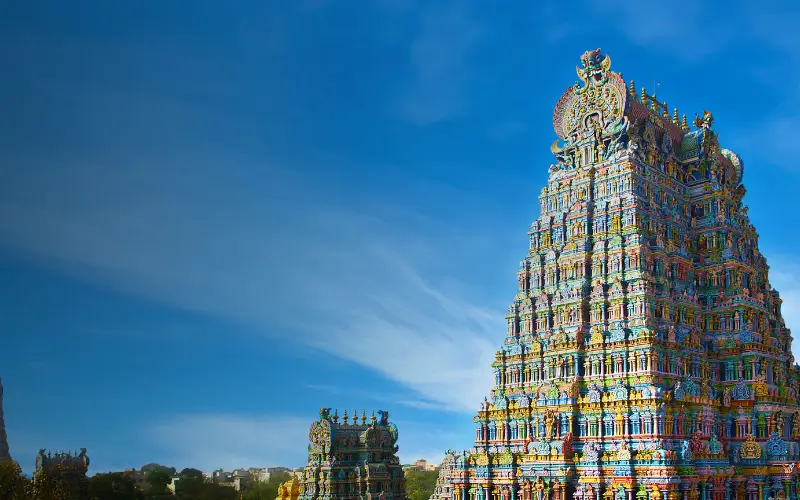
If you have more time, add Ranthambore for tiger safaris, or extend into Rajasthan with Pushkar, Jodhpur and Udaipur for a 12 to 14 day trip. Many first-time visitors also add Varanasi by flight from Delhi. Our advice for a first visit is to resist cramming. Three nights in Jaipur, two in Agra and two in Delhi gives you time to adjust to the noise, the heat and the sheer amount of new experience, which is far more tiring than most guests expect.
A realistic India travel budget depends on hotel level, transport and how many guided visits you include. We always quote on the higher side so that the real cost feels pleasantly lower. For a mid-range traveller staying in good four-star hotels with a private car and driver, budget about INR 12,000 to 18,000 per day for two people (about USD 145 to 215), covering hotel with breakfast, car and driver, one or two meals, and monument tickets. Add guides, shopping and alcohol on top.
For the luxury tier, budget about INR 40,000 to 90,000 per day for two (about USD 480 to 1,080), or far more if you stay in top palace hotels. This covers five-star or heritage palace hotels, a premium vehicle such as an Innova Hycross or a BMW 5 Series, private guides in each city, and good restaurant meals. A typical guest from the USA or UK on a first trip lands between these two tiers, mixing a couple of splurge nights with comfortable four-star stays.
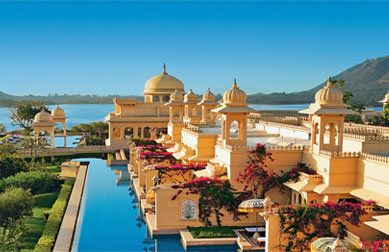
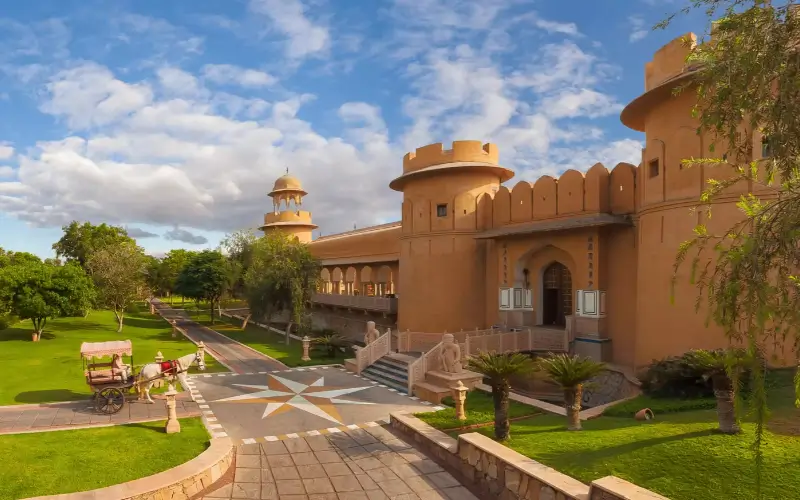
Hotel prices in India vary widely by city and season. Good three-star hotels in Delhi, Agra and Jaipur cost roughly INR 4,500 to 7,500 a night (about USD 54 to 90) in peak season. Upscale four-star properties such as Radisson, Trident or Hyatt Place run INR 8,000 to 14,000 (about USD 96 to 168). Five-star international hotels like the Taj, ITC, Oberoi Trident or Marriott range from INR 14,000 to 30,000 (about USD 168 to 360). Heritage hotels in converted forts and royal mansions in Rajasthan cost INR 9,000 to 25,000 depending on the property. Top palace hotels such as Rambagh Palace or Oberoi Amarvilas start at roughly INR 55,000 and can climb past INR 1,20,000 in peak weeks.
Expect 18 percent tax on hotel rooms above INR 7,500 a night, and check whether quoted rates include breakfast and tax. Many four-star and five-star hotels include breakfast in their standard rates for international guests. Booking directly or through a tour operator often gets added value such as airport pick-ups or room upgrades. Our team handles hotel bookings for guests and can match properties to your budget and style.
On transport costs in India, a private sedan with driver costs about INR 13 to 16 per km with a 250 km daily minimum, and an Innova Crysta about INR 19 to 24 per km. A Tempo Traveller for groups of nine to 18 runs around INR 28 to 38 per km, and a Force Urbania premium van slightly more. Domestic flights on IndiGo, Air India or Akasa between major cities cost INR 5,500 to 13,000 one way in economy. Fast trains like the Vande Bharat or Gatimaan Express cost INR 1,600 to 2,300 in Executive class.
Meals vary from INR 400 to 800 per person at a good local restaurant to INR 3,000 to 6,000 per person at a five-star hotel restaurant with drinks. A beer in a hotel bar costs INR 600 to 900, and wine is expensive due to import duties. Bottled water runs INR 20 to 40 a litre. Shopping is the wild card; set a figure before you start, because Jaipur's textiles, jewellery and blue pottery tempt almost everyone.
Make Your First Experience of India Truly Unforgettable
India has countless experiences waiting to be discovered. Whether you dream of royal Rajasthan, the iconic Taj Mahal or vibrant historic cities.
Staying connected is easier than it used to be. A SIM card for India is available at Delhi airport arrivals from Airtel and Jio counters, though queues and paperwork can take 30 to 60 minutes. You need your passport, the e-Visa and a passport photo, and activation can take a few hours. A one-month tourist pack with generous data costs roughly INR 800 to 1,500. An eSIM from an international provider, bought before you leave home, is a simpler option for many visitors and works on most recent phones. Hotel and restaurant Wi-Fi is widely available but can be slow.
On money in India, the currency is the Indian rupee, and it cannot legally be bought abroad in large amounts, so most visitors withdraw cash on arrival. ATMs are widespread in cities. Many limit each withdrawal to INR 10,000 to 20,000 and charge a fee of INR 200 to 500 for foreign cards on top of your home bank's charges. Visa and Mastercard are accepted at hotels, good restaurants and larger shops, while American Express is less common. Small vendors, rickshaw drivers and monument parking attendants want cash, so carry INR 3,000 to 5,000 in small notes.
India's famous UPI mobile payment system is everywhere, but UPI for foreigners is not available to most visitors because it requires an Indian bank account and mobile number. A limited prepaid tourist wallet exists at some airports, but uptake is patchy. Count on cash and cards rather than relying on QR payments, and keep smaller notes of INR 100 and 200 handy since many sellers cannot break INR 500 notes.
Health precautions are simple but important. Drink only sealed bottled water or filtered water provided by good hotels, and use bottled water for brushing your teeth. Eat freshly cooked hot food, avoid raw salads and cut fruit from street stalls, and carry oral rehydration salts. Before travel, talk to your doctor or a travel clinic about vaccinations for India, which commonly include hepatitis A, typhoid and routine boosters, and possibly others depending on your route and season. Mosquito repellent is useful year-round, and good travel insurance with medical cover is essential.
On what to wear in India, light, loose and modest clothing works best. Covered shoulders and knees are respectful at religious sites and in rural areas, and they protect from the sun. At temples and mosques you remove shoes, and women may be asked to cover their heads, so carry a light scarf. Comfortable walking shoes that slip on and off easily save time at monuments. In December and January, bring a warm jacket and layers for chilly mornings and evenings in the north.
Tipping is customary. Drivers usually receive INR 500 to 800 per day from the group at the end of the tour, and guides INR 500 to 1,000 per half or full day. Hotel porters expect INR 100 to 200, and restaurant staff about 10 percent if service is not already added. Tips are always at your discretion, and good service is the right reason to give more. Small courtesies matter too: greet people politely, ask before photographing anyone, and use your right hand for passing money or food.
A sensible India trip booking timeline removes most of the stress. Around four to six months before travel, decide your dates and route, and book international flights. This is also the time to reserve top hotels for Christmas, New Year or other peak weeks, since palace hotels and popular heritage properties fill early. If you want a particular vehicle, such as an Innova Crysta or a premium Mercedes-Benz S Class, it is wise to secure the car and driver at this stage too.
Around two to three months ahead, finalise the full day-by-day itinerary with your tour operator, confirm all hotels and add domestic flights if needed. If your route includes trains such as the Gatimaan Express or overnight services to Varanasi, booking opens 60 days before travel, and popular trains sell out quickly. Our team can book these for you so you avoid the registration process on the railway website. This is also when to see your doctor about vaccinations, since some need several weeks to take effect.
About one month ahead, apply for your e-Visa if you have not done so, book travel insurance, arrange an eSIM and order a small amount of rupees if your bank offers them. Two weeks before departure, check passport validity again, print the e-Visa and all hotel confirmations, and share your flight details with the driver team so the airport pickup in Delhi is arranged correctly. If your flight arrives late at night, the driver will track the flight and wait.
During the trip, keep your driver's mobile number saved and on WhatsApp. Most of our guests message the driver the evening before to agree a departure time for the next day. If your mood changes because of weather or tiredness, the driver can adjust the route, swap the order of sights or add a rest stop. This flexibility is one of the biggest advantages of a private car and driver in India for a first visit, because you are never tied to a fixed group schedule.
Heritage India Private Tours is based in Jaipur and has served more than 16,000 travellers, mostly from the USA, UK, Australia and Europe, with a 5.0 Tripadvisor rating from 448 reviews. Our fleet ranges from the Maruti Suzuki Ciaz sedan for couples to the Toyota Innova Crysta and Innova Hycross for families, and the Tempo Traveller or Force Urbania for groups. We also arrange local guides, hotel bookings, airport transfers and same-day tours, and every driver speaks English.
To get a quote, send your arrival date, number of travellers, the cities you want to see and your preferred hotel level on WhatsApp at +91 9799397401, or use the enquiry form on heritageindiaprivatetours.com. You will receive a clear itinerary with vehicle options, inclusions and exclusions, usually within a day. A small advance confirms the booking, and the balance is normally paid in India during the tour. Cancellation terms are shared in writing before you pay anything, so there are no surprises later.
Fees depend on nationality and duration. On the high side, many nationalities pay about USD 25 to 40 for the 30-day e-Tourist Visa, USD 40 to 80 for one year and USD 80 or more for five years. British citizens often pay more. Always apply through the official gov.in portal, not look-alike websites charging extra service fees.
Apply at least four days before arrival, but two to four weeks ahead is safer in case the photo or passport scan needs correction. Approval usually arrives by email within 72 hours. Your passport needs six months of validity from arrival and two blank pages. Carry a printed copy of the approval when you fly.
October, November, February and March are ideal for Delhi, Agra and Rajasthan, with warm days and comfortable evenings. December and January are pleasant but cold at night and foggy in the mornings. April to June is very hot in the north, and July to September brings monsoon rain with lower hotel rates.
Seven days is ideal for a first visit, with two nights in Delhi, two in Agra or one in Agra plus extra time, and three in Jaipur. Six days is possible at a quicker pace. Add Ranthambore, Udaipur or Varanasi if you have 10 to 14 days and want to see more of North India.
For mid-range travel with four-star hotels, a private car and driver, meals and tickets, budget about INR 12,000 to 18,000 per day for two people. For luxury travel in five-star and palace hotels with private guides, budget INR 40,000 to 90,000 per day for two, and more for top palace properties in peak season.
Most foreign visitors cannot, because UPI needs an Indian bank account and mobile number. A limited prepaid tourist wallet exists at some airports, but it is not widely used. Rely on Visa or Mastercard at hotels and larger shops, and carry INR 3,000 to 5,000 in small notes for tips, parking and small purchases.
No. Drink sealed bottled water or filtered water provided by good hotels, and use bottled water for brushing teeth. Avoid ice in small roadside places, raw salads and pre-cut fruit from stalls. Freshly cooked hot food is generally safe. Carry oral rehydration salts and basic stomach medicine just in case.
Speak with your doctor or a travel clinic six to eight weeks before departure. Commonly discussed vaccines include hepatitis A, typhoid and routine boosters such as tetanus, with others depending on your route, season and health. Bring mosquito repellent, and make sure your travel insurance includes medical cover and evacuation.
A common guide is INR 500 to 800 per day for the driver, given at the end of the tour, and INR 500 to 1,000 per half or full day for a guide. Hotel porters usually receive INR 100 to 200. Tipping is always at your discretion and should reflect the service you received.
Send your arrival date, group size, cities and hotel preference to Heritage India Private Tours on WhatsApp at +91 9799397401 or through the website enquiry form. You receive a day-by-day itinerary with vehicle options and clear inclusions. A small advance confirms the booking, and the balance is usually paid during the tour.