Spread a map of Rajasthan on a table and the temptation is obvious: draw a line through every famous name. Jaipur, Jodhpur, Jaisalmer, Udaipur, Pushkar, Ranthambore, Bikaner, Bundi, Mandawa. Travellers who do exactly that often come home with a camera full of forts and a memory full of highways. Those who choose fewer places, and give each one enough nights, tend to remember sunsets over the dunes, a long lunch in a palace courtyard, or a quiet morning in a village temple where they were the only visitors.
A good Rajasthan itinerary by car is less about how much you see and more about how the days flow. Long drives must be balanced with rest days, early starts with slow evenings, and big cities with small towns. This guide sets out three tested routes, for ten, fourteen and twenty-one days, with the number of nights in each place, realistic driving times and the stops worth making along the way.
Ten days, with nine nights, is enough for a varied and satisfying first tour. This route avoids the far western desert and focuses instead on royal cities, a tiger reserve and one of Rajasthan's most charming small towns. It starts in Jaipur and ends in Jodhpur, with a flight out of Jodhpur or a drive back towards Jaipur.
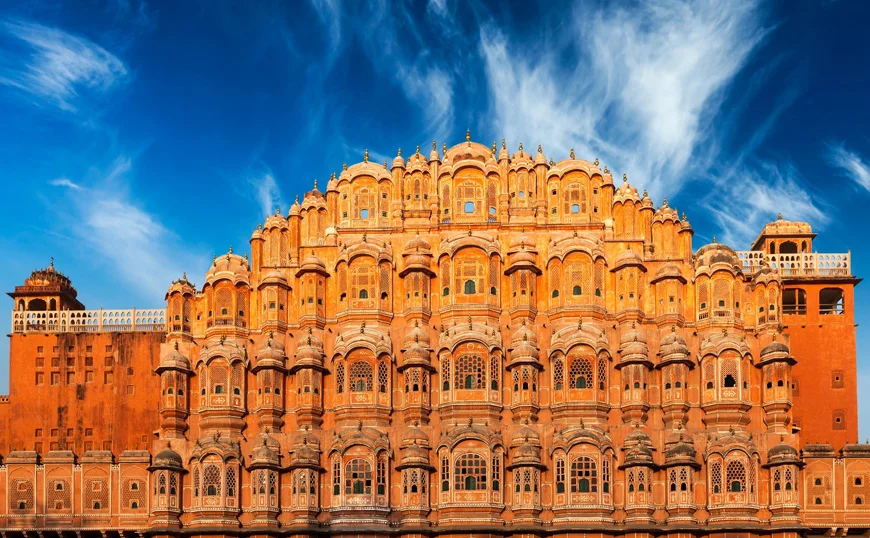
The tour begins with two nights in Jaipur. Arriving from Delhi by car takes five to six hours, or by flight about an hour. A full day covers Amber Fort in the morning, the City Palace and Jantar Mantar after lunch, and the old city markets at dusk. If the flight lands early, the arrival afternoon can include Albert Hall Museum, lit up in the evening.
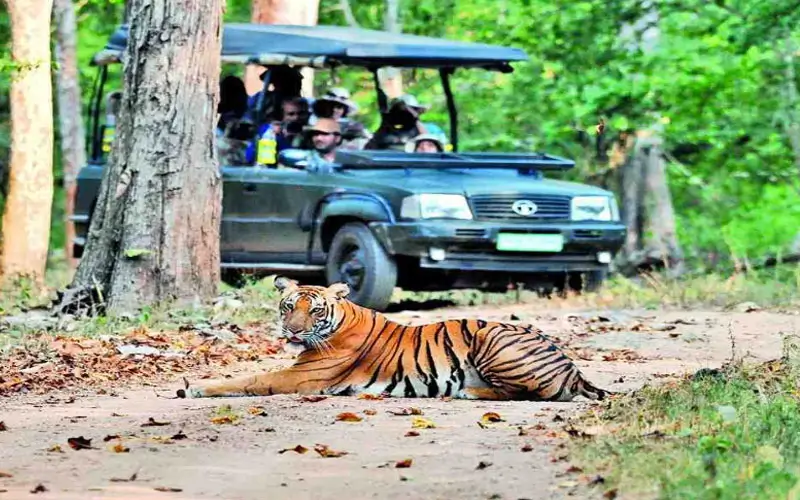
From Jaipur, drive three and a half hours south-east to Ranthambore National Park for two nights. Ranthambore is one of the best places in the world to see wild tigers, with jeep safaris in the early morning and afternoon. Each safari lasts about three and a half hours. Between safaris, the ruined Ranthambore Fort inside the park, a UNESCO World Heritage Site, makes a quiet half-day visit.
Next, drive three hours to Bundi for one night. Bundi is a small, unhurried town below a hillside palace covered in some of the finest murals in Rajasthan. Its stepwells, blue-washed lanes and lake give a feel of old Rajasthan before mass tourism. The Garh Palace and its painted chambers take about two hours.
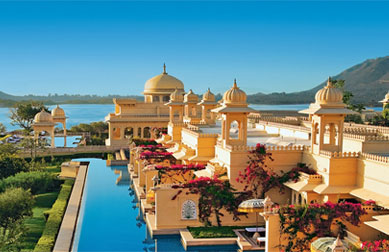
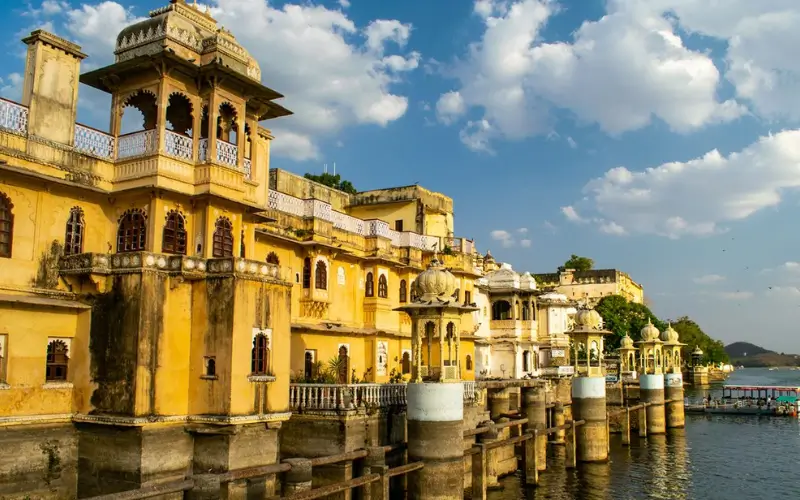
From Bundi, a scenic five-hour drive through Chittorgarh brings you to Udaipur for two nights. Stop for two hours at Chittorgarh Fort, the largest fort in India and a symbol of Rajput courage. In Udaipur, spend a day at the City Palace, a sunset boat ride on Lake Pichola and an evening at a rooftop restaurant facing the illuminated Lake Palace.
The final leg is the drive from Udaipur to Jodhpur, about six hours with a stop at the Ranakpur Jain Temple. Spend two nights in Jodhpur, with a full day at Mehrangarh Fort, the old blue city and the clock tower market. The tour ends with a flight from Jodhpur to Delhi or Mumbai.
This route covers about 1,300 kilometres. The longest drives are Bundi to Udaipur and Udaipur to Jodhpur, each broken by a major stop, so neither feels like a pure transfer day. Every city on the route has at least one full day without driving, apart from Bundi, which is small enough to see in an afternoon and the following morning.
For travellers who prefer desert landscapes to tigers, replace Ranthambore and Bundi with Pushkar for one night and Jaisalmer for two, though this adds more driving. The version above is ideal for families, wildlife lovers and anyone who wants a rich mix without crossing the whole state.
Fourteen days, with thirteen nights, is the classic length for a full Rajasthan circuit. This route crosses the Thar Desert, includes a night in a rural heritage fort and saves time for a relaxed finish in Jaipur. It starts and ends in Delhi.
The first night is in Delhi, ideally near the airport or in the south of the city for an easy start. The next morning, drive about five hours to Nawalgarh in the Shekhawati region for one night. Nawalgarh's old merchant mansions are covered in painted murals of gods, trains, British officers and early motorcars, and a walk with a local guide reveals a hidden open-air gallery.
From Nawalgarh, drive four hours to Bikaner for one night. Junagarh Fort, never conquered in battle, has some of the most richly decorated interiors in Rajasthan. Nearby, the National Research Centre on Camels offers a quirky afternoon visit.
Next comes the long drive to Jaisalmer, about five and a half to six hours across the desert. Spend two nights here, ideally one inside the town and one in a desert camp at the Sam or Khuri dunes. Jaisalmer Fort is one of the last living forts in the world, with homes, shops and temples inside its walls. In the afternoon, head to the dunes for a camel ride at sunset, folk music and dinner under the stars.
From Jaisalmer, drive five hours to Jodhpur for two nights. Besides Mehrangarh Fort, take time for the Umaid Bhawan Palace museum and a walk through the blue lanes below the fort.
Leave Jodhpur for a night at a rural heritage hotel near Narlai or Rawla Narlai, about three hours south. This quiet village sits below a giant granite rock with a temple on top, and leopard sightings are common in the surrounding hills. It also breaks the drive to Udaipur and positions you for the Ranakpur Jain Temple the next morning.
After Ranakpur, continue two hours to Udaipur for two nights of palaces, lakes, gardens and rooftop dinners. Finally, drive about six to seven hours to Jaipur, or stop for lunch in Ajmer or Pushkar on the way, and spend three nights in Jaipur. The extra night allows time for Amber Fort, the City Palace, shopping for textiles and jewellery, and perhaps a cooking class or a day trip to the Abhaneri stepwell. On the last day, drive five to six hours to Delhi airport for an evening flight.
This route covers around 2,800 to 3,000 kilometres. Its longest days are Bikaner to Jaisalmer and Udaipur to Jaipur, but every long drive is followed by at least one full day of rest. The variety is remarkable: painted towns, desert dunes, blue city lanes, a hill village, lakes and the pink city in two weeks.
Three weeks, with twenty nights, lets you see Rajasthan at an unhurried pace, adding hidden towns, extra desert time and slower days that turn a sightseeing trip into a true holiday. This route starts and ends in Delhi.
Begin with one night in Delhi, then drive to Mandawa for one night and Bikaner for one night, following the same northern approach as the fourteen-day route. In Bikaner, add a visit to the Karni temple at Deshnoke, famous for the thousands of rats that live there and are treated as sacred.
Spend three nights in the Jaisalmer area. Two nights inside the town give time for the fort, the Jain temples, the carved Patwa mansions and Gadisar Lake at sunrise. The third night, in a desert camp at Khuri or a quieter village camp, offers the real silence of the Thar. Travellers who love the desert sometimes add a morning jeep ride to the abandoned village of Kuldhara.
From Jaisalmer, drive to Jodhpur for two nights, then continue to Rohet Garh, a 17th-century fort hotel 40 kilometres south, for one night. Rohet offers horse riding, village walks and visits to the Bishnoi community, known for protecting wildlife and trees for centuries.
Next, spend one night near Kumbhalgarh Fort, whose 36-kilometre wall is often compared to the Great Wall of China. Walk part of the wall in the late afternoon and stay for the evening light show. From Kumbhalgarh, drive two and a half hours to Udaipur for three nights. The extra night gives time for a day trip to the Eklingji and Nagda temples, a cooking class or simply time by the lake.
Leave Udaipur for one night at Bijaipur or Chittorgarh, combining Chittorgarh Fort with a heritage castle hotel in the countryside. Then drive to Bundi for two nights. Bundi's murals, stepwells and slow pace make it a favourite with returning travellers.
From Bundi, drive to Ranthambore for two nights and three or four jeep safaris, which greatly improve your chances of seeing tigers. Finish with two nights in Jaipur for Amber Fort, the City Palace, markets and a farewell dinner at a palace hotel, before driving five to six hours to Delhi airport.
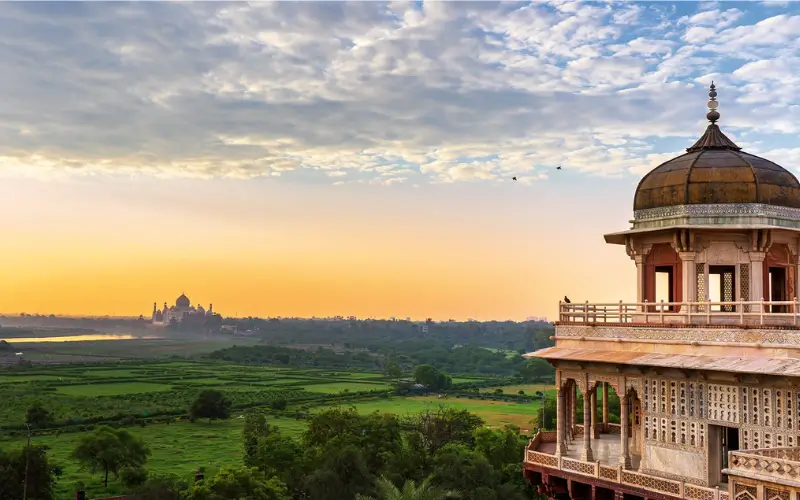
This route covers about 3,600 to 4,000 kilometres, but daily drives rarely exceed five hours, and many days have no driving at all. It suits retired travellers, photographers, repeat visitors and anyone who prefers depth to speed. Some guests on three-week tours also add a short extension to Agra at the end, which adds one night and a sunrise visit to the Taj Mahal.
The difference between a tiring tour and a relaxing one often comes down to nights per city. A useful rule is that a single night works only for small towns or rest stops, while major cities need at least two nights.
Jaipur needs two to three nights. Its sights are spread across the city, and one full day is the bare minimum for Amber Fort, the City Palace and the old city. A second full day allows time for markets, Nahargarh Fort and a slower pace.
Jodhpur needs two nights. Mehrangarh Fort alone deserves three to four hours, and the old city is best seen on foot in the cool of the morning or evening.
Jaisalmer needs two nights, ideally with one in the desert. Arriving after a long drive and leaving the next morning means seeing the fort only briefly and missing the dunes at sunset.
Udaipur needs two to three nights. It is the most romantic city in Rajasthan, and its charm lies in slow evenings by the lake rather than in a long list of monuments.
Ranthambore needs two nights for two to four safaris. A single safari gives only a modest chance of seeing a tiger. Pushkar, Bundi, Mandawa and Bikaner work well with one or two nights each.
Driving times should guide the route as much as distances. Aim to keep most drives under five or six hours, and never stack two long drives back to back. Leave early on travel days and try to arrive before dark, as rural roads become more difficult at night.
Season also affects pacing. In December and January, days are short, and evening temperatures in the desert drop close to freezing, so shorter drives and earlier arrivals make sense. In March and October, the heat in the afternoon suggests early starts and long lunch breaks.
Finally, leave space for nothing. The best memories often come from an unscheduled afternoon at a heritage hotel pool, a long conversation with a local craftsman, or a sunset that you watch without checking the time. A good itinerary has room for these moments.
Heritage India Private Tours designs every Rajasthan itinerary around the traveller's pace, with experienced drivers who know which roads to take, where to stop and how to arrive before dark.
Ten days covers a good variety of cities, fourteen days allows a full circuit including the desert, and twenty-one days lets you travel at a slow, relaxed pace.
Jaipur, Ranthambore, Bundi, Udaipur and Jodhpur make a balanced ten-day route with royal cities, wildlife and a charming small town.
Yes, if you have twelve days or more. Jaisalmer and the desert are highlights, but the long drives make them harder to fit into shorter tours.
Most drives take three to six hours. The longest, such as Bikaner to Jaisalmer and Udaipur to Jaipur, take about six hours.
Delhi has more international flights, while starting in Jaipur saves a long drive. Many tours start in Delhi and end in Jaipur or Udaipur.
Two to three nights. Udaipur's appeal lies in its lakes, sunsets and slow evenings.
Yes. Agra is about four and a half hours from Jaipur, so it fits easily at the start or end of a Rajasthan tour.
Yes, with an experienced driver who avoids night driving on rural roads and keeps daily drives at a sensible length.
Bundi, Nawalgarh, Mandawa, Narlai, Rohet and Bijaipur offer quieter, more traditional stays between the major cities.
At least two, and ideally three or four, to give yourself a good chance of seeing tigers.