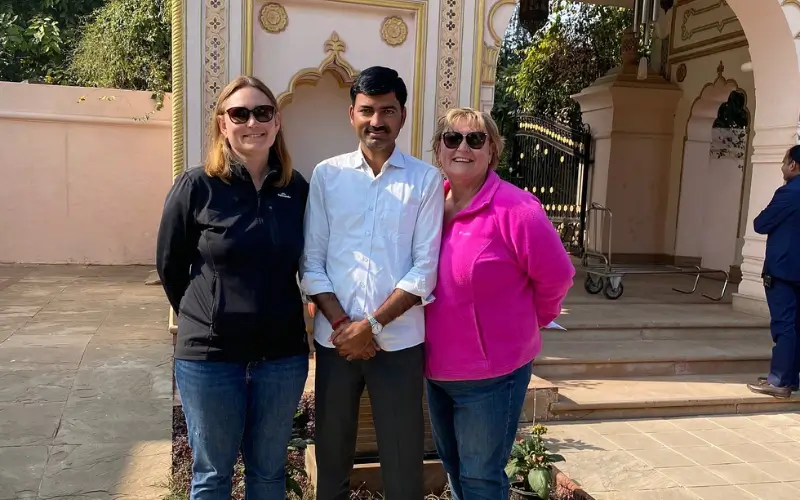
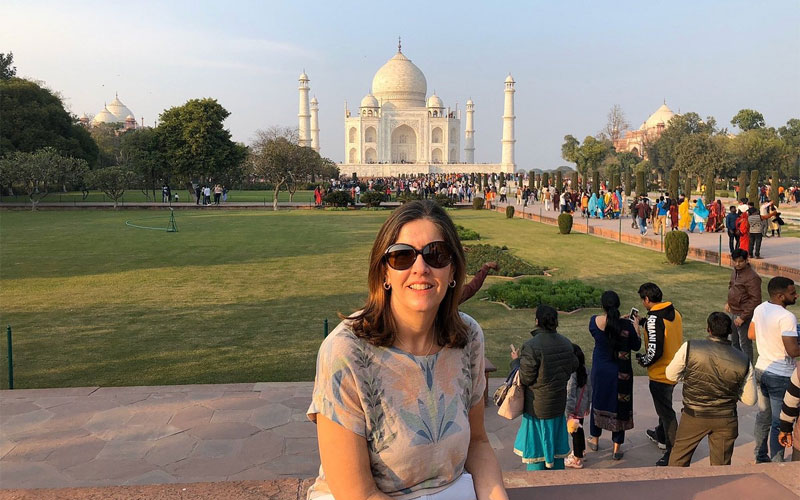
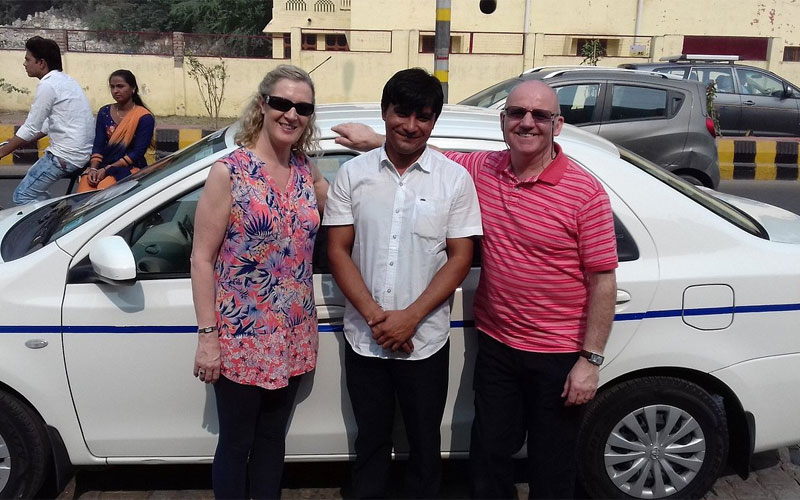
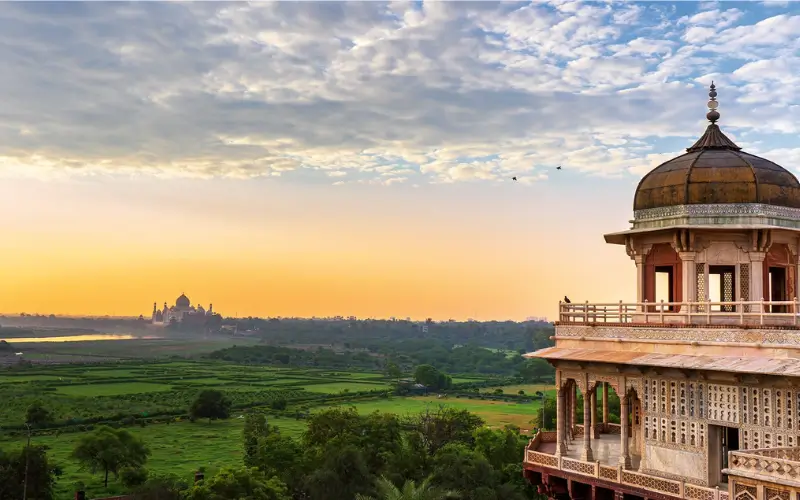
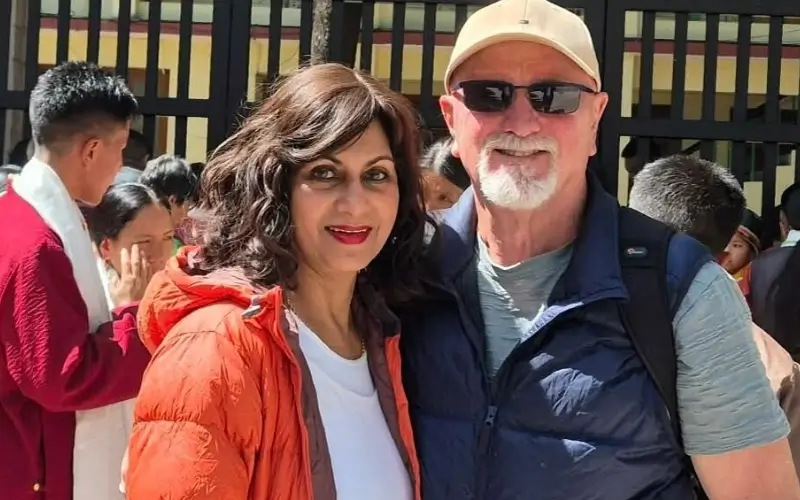
On a grey February morning at Heathrow, Peter and Margaret from Surrey boarded a nine-hour flight with raincoats in their hand luggage. By late evening, they were stepping into the warm Delhi air, greeted by a smiling driver holding a board with their names. The next fortnight took them from the Taj Mahal at sunrise to the lakes of Udaipur and the forts of Jodhpur, all with the same driver, who by the end of the trip felt like an old friend. Their note, written in the hotel guestbook at the Lake Palace, was simple: "We should have come years ago."
Britain and India share a long, complex history, and the connection shows in everything from the railway stations to the language. For British travellers, an India tour from UK is easier than many expect, with direct flights, English widely spoken and a time difference of only a few hours. This guide covers direct flights from UK airports, visas and practical preparation, the most popular private chauffeur packages, and realistic budgets in pounds sterling.
The UK has some of the best air connections to India of any country outside Asia. Several airlines fly nonstop from London to Delhi and Mumbai every day, and regional airports have direct links too.
From London Heathrow, British Airways, Virgin Atlantic and Air India all operate nonstop flights to Delhi, taking about eight and a half to nine hours. The same airlines also fly from Heathrow to Mumbai, with flight times of around nine to nine and a half hours. Air India operates additional routes from London Gatwick to several Indian cities. From Birmingham, Air India has flown nonstop to Delhi and Amritsar, which suits travellers from the Midlands. Manchester has had direct services to Mumbai and Delhi at various times, and IndiGo and other airlines have recently expanded their UK routes. Schedules change by season, so it is worth checking current routes before booking.
One-stop routes through the Gulf, such as Emirates via Dubai, Qatar Airways via Doha and Etihad via Abu Dhabi, are popular from regional airports including Manchester, Birmingham, Newcastle, Edinburgh and Glasgow. Total travel time is usually 12 to 15 hours.
Fares rise steeply around Christmas and New Year, when many British Indian families travel, and again during school half-terms and the Easter holidays. Booking three to four months ahead usually secures the best fares for winter travel.
The time difference is one of the great advantages for British travellers. India is five and a half hours ahead of GMT, or four and a half hours ahead during British Summer Time. Jet lag is mild compared with travel from the Americas or Australia, and most travellers feel normal after a good night's sleep.
Many flights from London leave in the late morning or evening and arrive in Delhi either late at night or early the next morning. A driver meeting you at arrivals makes a big difference after a long day, especially with luggage. The Delhi airport transfer to a central hotel takes about 45 to 75 minutes, depending on traffic.
If you are combining North India with Goa or Kerala, consider flying into Delhi and out of Mumbai, Goa or Kochi. Open-jaw tickets often cost little more than a standard return and save a long internal transfer at the end of your holiday.
On the flight home, most departures from Delhi to London leave in the early afternoon or late at night. Morning arrivals into Heathrow are common on overnight departures, which is convenient for getting home the same day.
From the UK to India — Your Journey, Perfectly Planned
Planning your India holiday from the UK? Let Heritage India Private Tours help you create a seamless journey with personalised tour packages.
British passport holders need a visa to visit India. The simplest option for a holiday is the Indian e-Tourist Visa, applied for online through the official Government of India e-Visa website. Approval usually arrives by email within a few working days, but it is safest to apply at least two to three weeks before travel. Fees for British passport holders vary with the length of the visa and are listed on the official site. Always use the official government website, as unofficial agencies charge high service fees for the same application.
You will need a scanned copy of your passport photo page, a recent passport-style photograph with a white background and a passport valid for at least six months from your arrival date, with two blank pages. Print a copy of the approval email and carry it with your passport.
The Indian rupee is a closed currency, so you cannot easily buy it in the UK. Travellers may bring a limited amount of rupees into India, but most simply withdraw cash on arrival. ATMs at Delhi airport and in every city accept UK debit cards. Travel-friendly cards such as Wise, Revolut, Monzo and Starling offer good exchange rates and low fees. Indian ATMs often charge INR 200 to INR 250 per withdrawal, with limits of INR 10,000 to INR 20,000 per transaction. Credit cards are widely accepted in hotels and larger restaurants, but cash is essential for markets, tips and small purchases.
British plugs do not fit Indian sockets, which use types C, D and M at 230 volts. Bring a universal travel adapter. Since UK appliances already use 230 volts, no voltage converter is needed.
For health advice, the NHS Fit for Travel website and the National Travel Health Network and Centre provide up-to-date recommendations. Typical vaccinations for India include hepatitis A, typhoid and a tetanus booster. Visit your GP or a travel clinic six to eight weeks before departure. Drink bottled or filtered water, choose freshly cooked food and carry basic medication for upset stomachs.
The Foreign, Commonwealth and Development Office publishes travel advice for India, which is worth reading before departure. Comprehensive travel insurance with medical cover is essential, as the UK has no reciprocal healthcare agreement with India and private hospital costs can be high.
Mobile roaming charges from UK networks can be expensive in India. A travel eSIM or an Indian SIM card purchased at the airport with your passport is far cheaper. WhatsApp is the main way drivers, guides and hotels keep in touch, so make sure it works on your phone.
British travellers often find India surprisingly familiar in small ways: driving on the left, English signage, cricket on every patch of open ground and tea served at every stop. These little connections make it easier to settle in quickly.
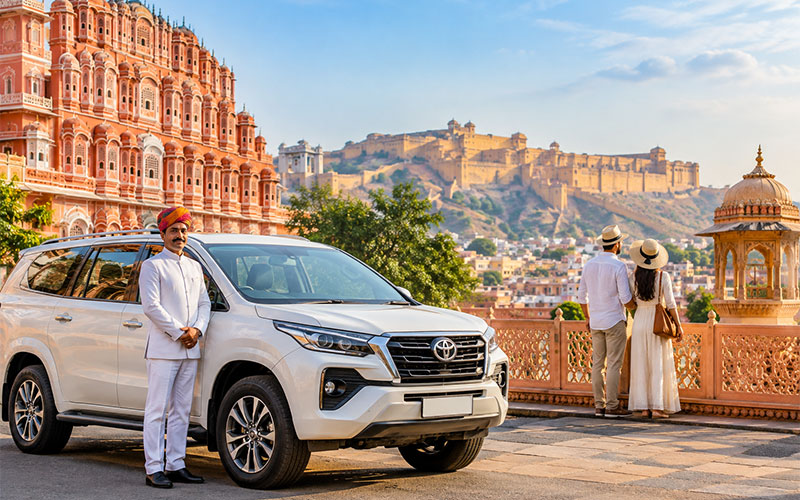
A private chauffeur tour in India gives you the freedom of your own car with the reassurance of an experienced driver who knows the roads, hotels and local customs. Several package styles are especially popular with British travellers.
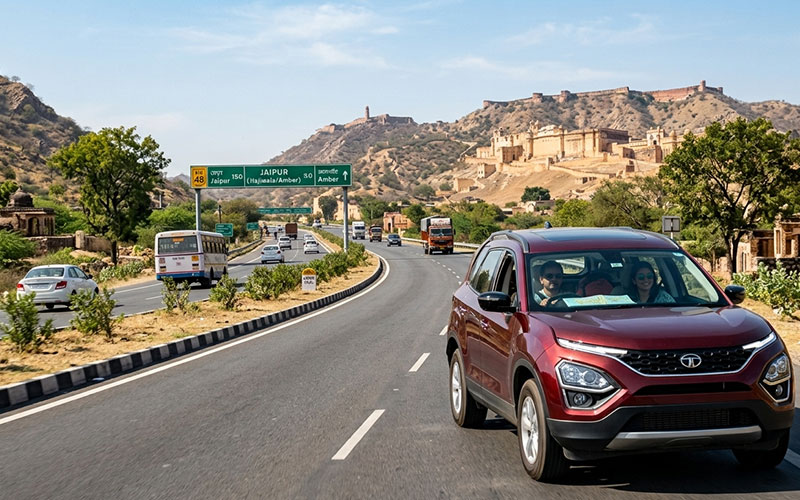
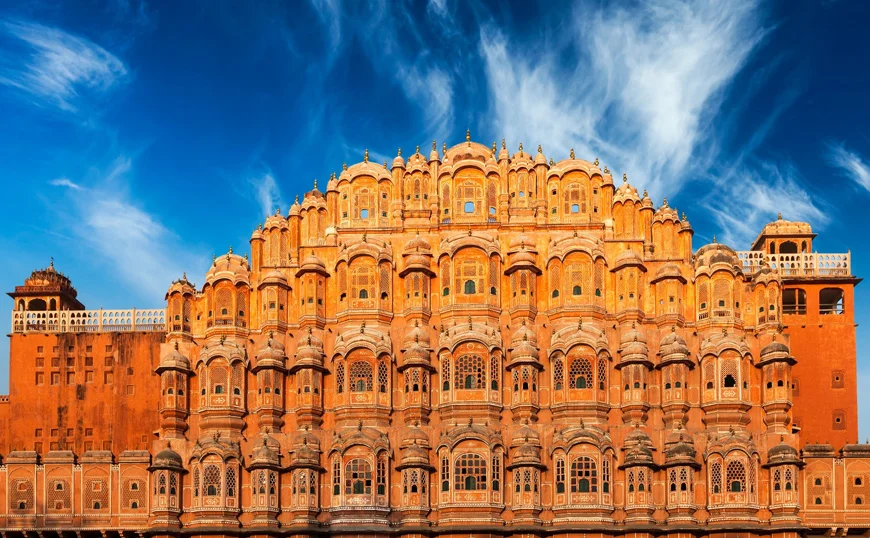
The classic Golden Triangle covers Delhi, Agra and Jaipur in seven to eight days. It suits first-time visitors and those with limited annual leave. The drive between cities takes four to six hours each, and the chauffeur stays with you throughout. Many British guests add Ranthambore for tiger safaris or Udaipur for a relaxing finish, turning it into a ten-day trip.
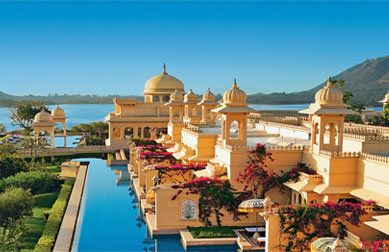
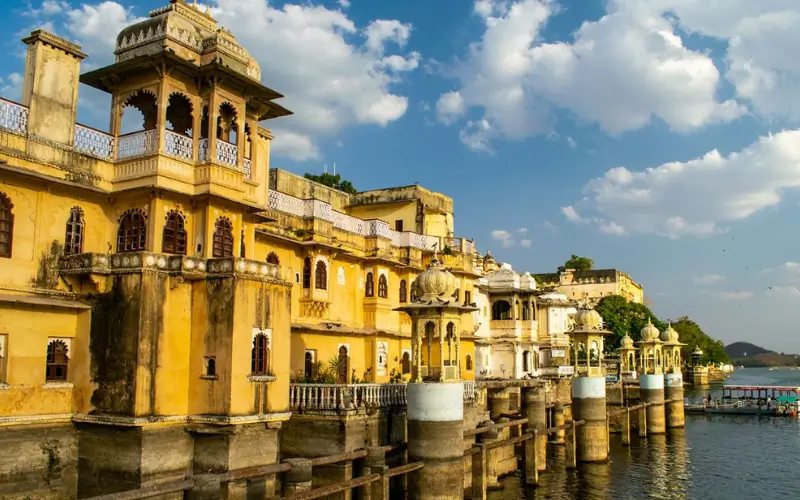
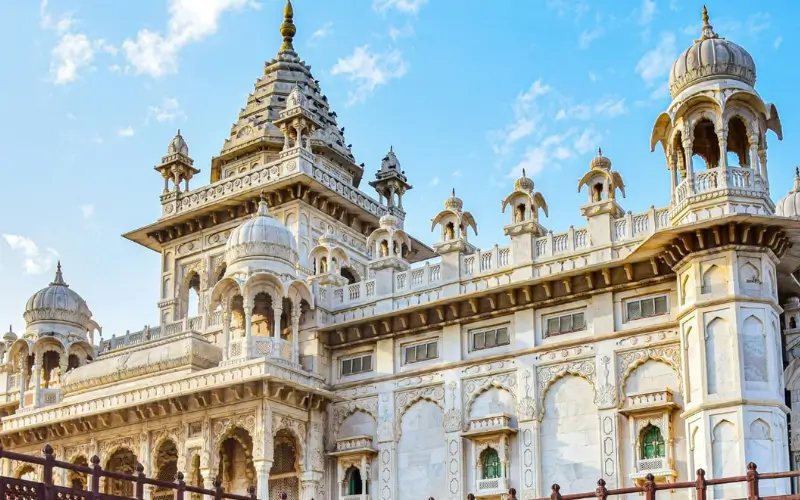
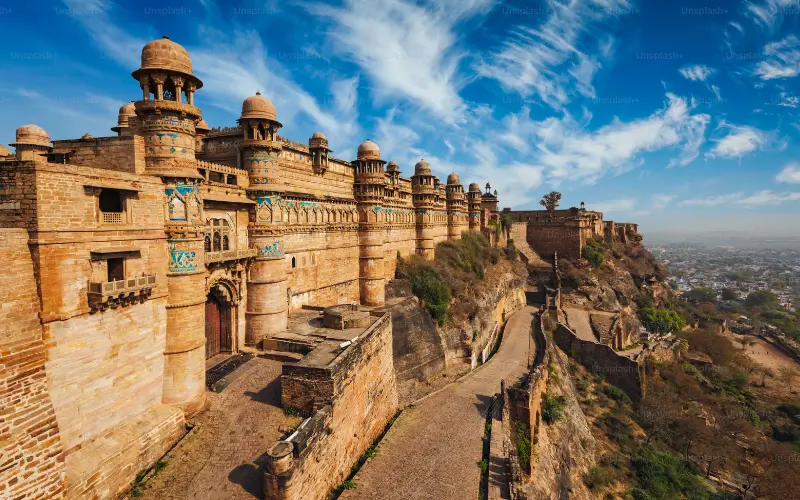
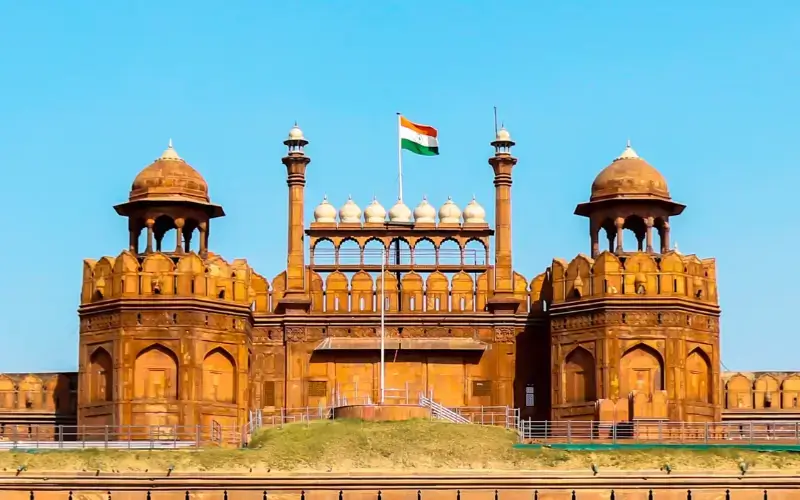
The Golden Triangle with Rajasthan is the most popular choice for a two-week holiday. It adds Jodhpur, Udaipur and often Pushkar or Jaisalmer to the classic route, with heritage hotels in converted forts and palaces. This package shows the full range of North India, from Mughal monuments to desert landscapes and lake palaces.
Many British travellers like to end an India tour with a beach. The Golden Triangle with Goa combines a week of sightseeing with four or five nights on Goa's beaches, connected by a short flight from Jaipur or Delhi. Kerala is another popular addition, with backwater houseboats, tea estates and Ayurvedic spas, making for a three-week combined itinerary.
For those who prefer a slower pace, a "Rajasthan in depth" package spends three weeks visiting smaller towns and rural heritage hotels, with fewer long drives and more time at each stop. This suits retired travellers and repeat visitors.
Timing matters for British holidaymakers. February half-term is a good window for families, with warm, dry weather across North India. The Easter holidays are possible but hot in Rajasthan by April. October half-term is excellent, often coinciding with Diwali. Christmas is festive and atmospheric but the most expensive time of year.
Your chauffeur is with you throughout. He meets you at the airport, drives between cities, waits while you visit monuments, and helps with everyday matters like finding a pharmacy or a good restaurant. In each city, a separate licensed guide shows you the main sights.
When choosing a package, compare what is included: the car model, driver allowance, tolls, guides, monument tickets and hotel category. A clear, all-inclusive quote in pounds or rupees avoids surprises later.
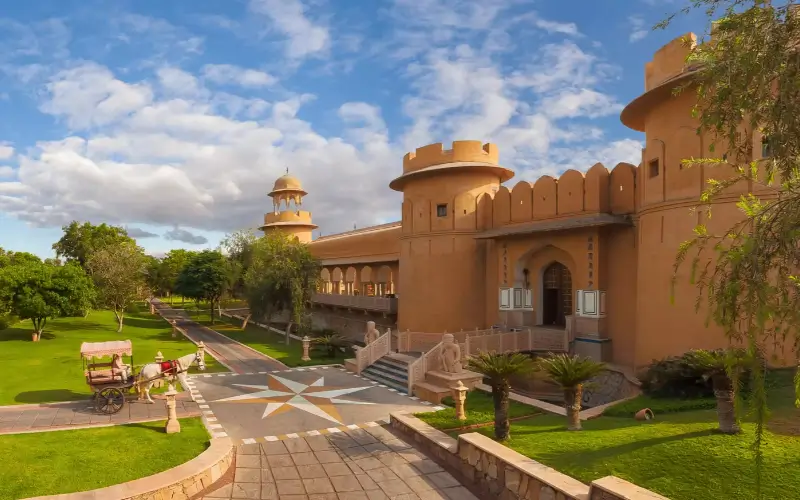
Hotels make a big difference to the character of a chauffeur tour. Many British travellers love Rajasthan's heritage hotels, where you might sleep in a fort built in the 17th century, eat dinner in a courtyard lit by oil lamps and wake to peacocks calling from the battlements. Rooms vary in size and modern comforts, so a good tour company will describe each hotel honestly and suggest upgrades only where they truly add value.
Your India Adventure Begins with a Journey Designed Around You
Make your journey from Britain to India more than an ordinary holiday. Combine iconic landmarks.
The figures below show a realistic land cost per person for a fourteen-day private tour of Delhi, Agra and Rajasthan, with two travellers sharing a room and a car. They include hotels with breakfast, a private car and chauffeur, local guides, monument tickets and a daily meal allowance, but exclude international flights.
Adding an economy return flight of GBP 550 to GBP 950, a British couple choosing four-star heritage hotels can expect a total holiday cost of around GBP 2,400 to GBP 3,300 per person for two weeks. This compares well with many long-haul holidays to the Caribbean, the United States or South-East Asia.
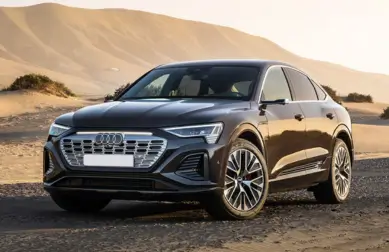
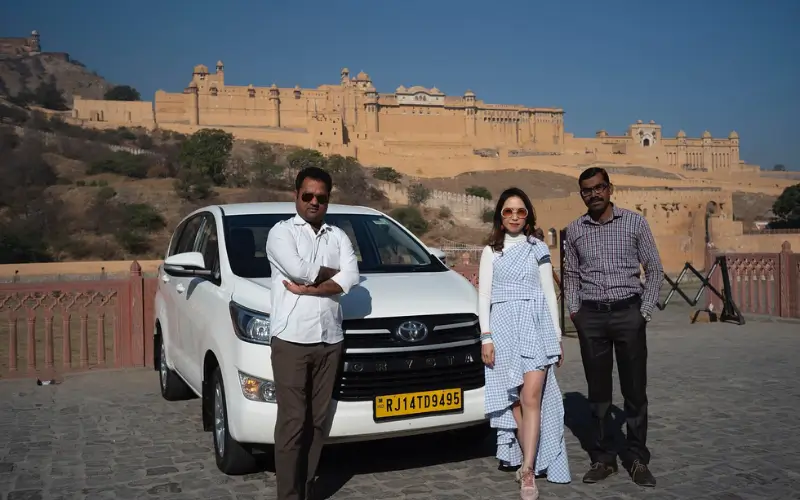
The car and chauffeur for fourteen days cost about GBP 600 to GBP 850 in total for a sedan, or GBP 800 to GBP 1,000 for a Toyota Innova, including fuel, tolls, permits and the driver's allowance. Shared between two travellers, that is roughly GBP 22 to GBP 36 per person per day.
Daily costs on the ground are modest by UK standards. A good restaurant meal for two outside the hotel costs GBP 15 to GBP 35, a pot of tea GBP 1 to GBP 3, and a bottle of beer at a hotel bar GBP 4 to GBP 7. Tips for drivers are customary, at about INR 500 to INR 1,000 per day, roughly GBP 4 to GBP 9.
Exchange rates move, so many travellers prefer a quote in pounds sterling to fix the cost before travel. Others choose rupees and pay the balance on arrival, which can work in their favour if sterling strengthens. Either way, a deposit of 20 to 30 percent is normal, with the balance paid during the tour.
Single travellers should expect a supplement, as the car and room are not shared. A solo traveller on a fourteen-day four-star tour usually pays about GBP 2,800 to GBP 3,600 for the land arrangements. Families travelling with children under twelve can often use extra beds in the parents' room, which keeps hotel costs lower.
Savings are possible without losing comfort. Travelling in late October, November or February rather than at Christmas can reduce hotel costs by 25 to 40 percent. Choosing heritage hotels over international five-star chains often brings more character for less money. And a well-paced route with fewer one-night stops reduces both driving and hotel changes, which adds comfort at no extra cost.
Heritage India Private Tours welcomes many British travellers each year, and several of its most loyal guests are from the UK.
3 Comments
About eight and a half to nine hours nonstop from London Heathrow.
London Heathrow has the most nonstop flights, with additional services from London Gatwick, Birmingham and, at times, Manchester.
Yes. The Indian e-Tourist Visa can be applied for online through the official government website.
India is five and a half hours ahead of GMT, or four and a half hours ahead during British Summer Time.
With four-star and heritage hotels, about GBP 1,800 to GBP 2,350 per person on land, plus GBP 550 to GBP 950 for economy flights.
The rupee is a restricted currency, so most travellers withdraw cash from ATMs on arrival in India.
A universal adapter for types C, D and M sockets. UK appliances already work at India's 230 volts.
October to March, with February half-term and October half-term especially good for families.
Yes. Goa and Kerala are both easy to add with a short domestic flight at the end of the tour.
A private chauffeur offers flexibility, comfort and your own pace, while costing far less than British travellers usually expect.