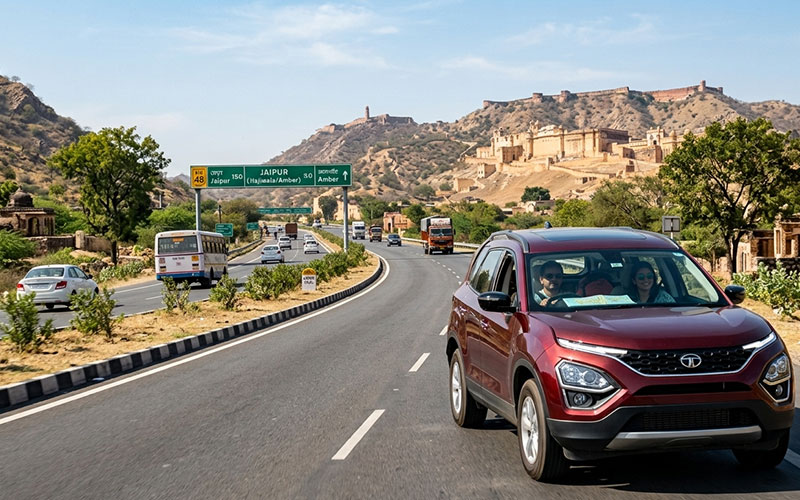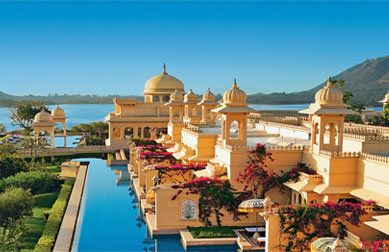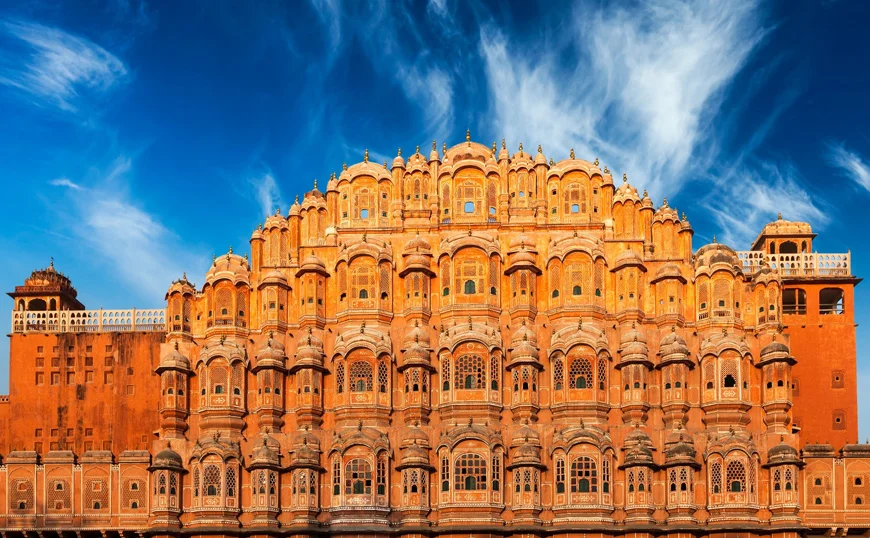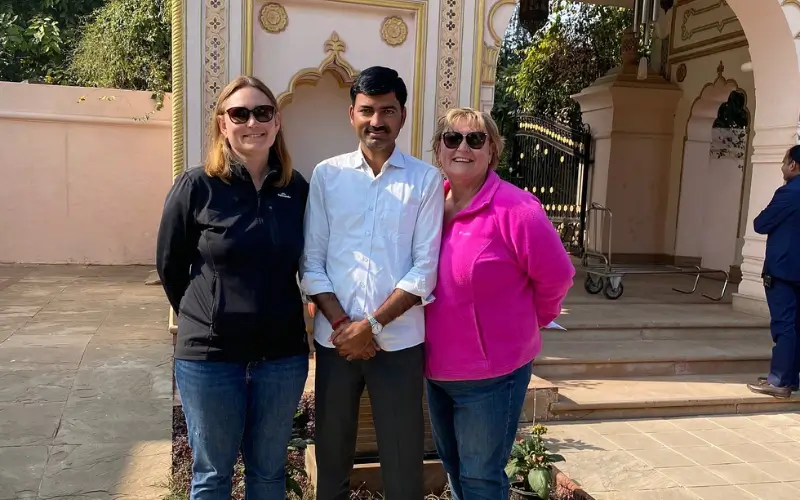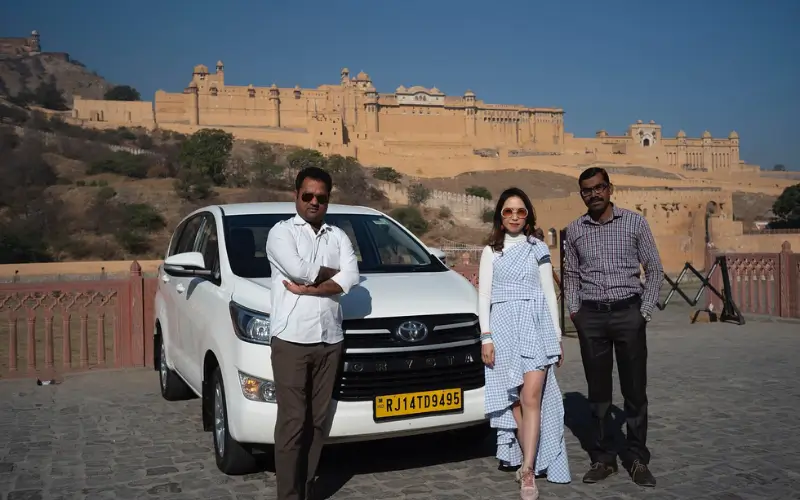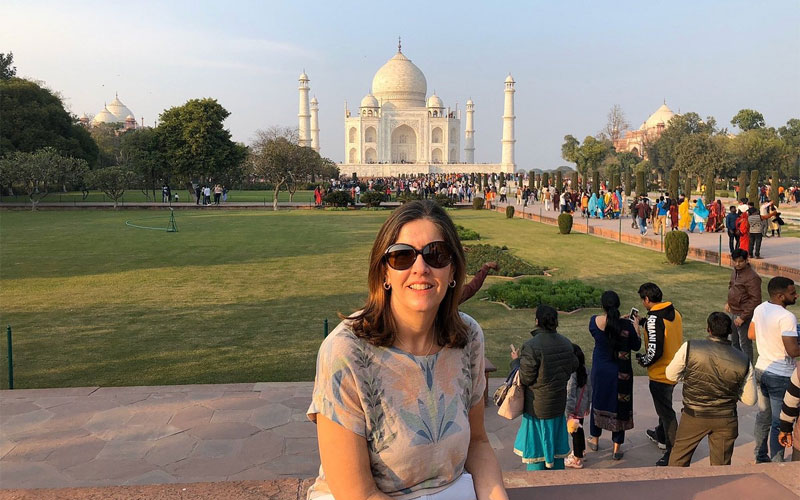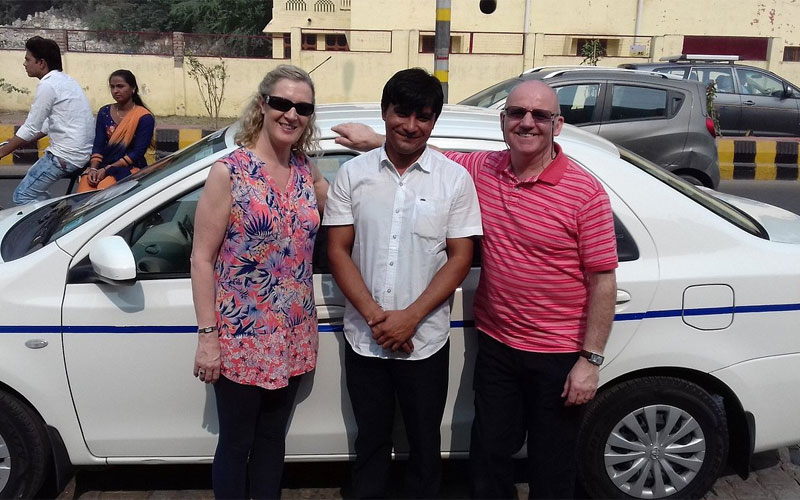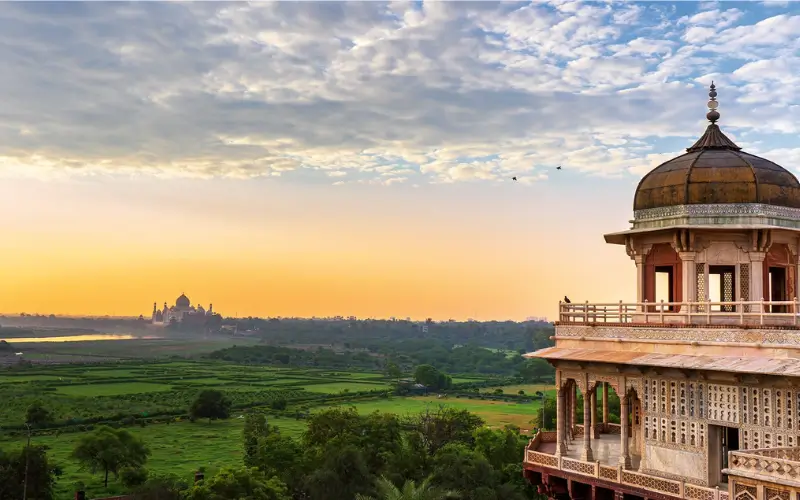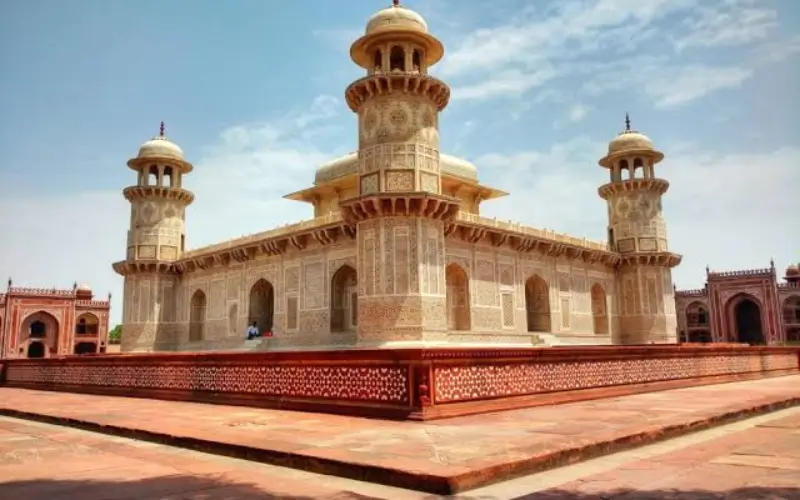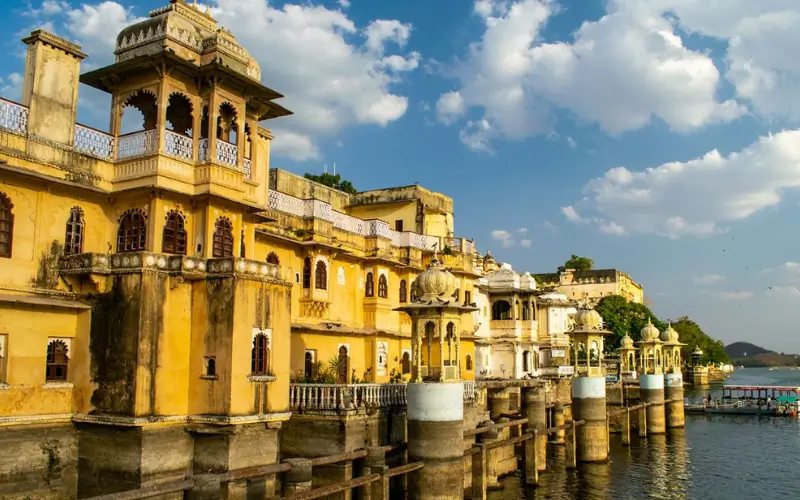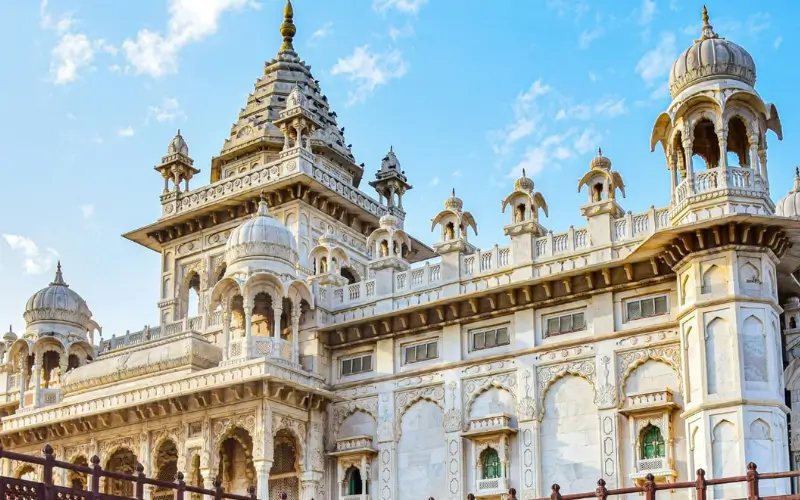
Rob and Jan from Adelaide had travelled across Europe, South-East Asia and North America, but India stayed on their list for years. When Rob retired, they finally booked a three-week private tour with a car and driver, timed for February to escape the Australian heat. They saw tigers in Ranthambore, watched the sunrise over the Taj Mahal, slept in a desert camp near Jaisalmer and ended with a quiet week by the lakes of Udaipur. On their fourth trip with the same driver, Rob joked that India had become their second home, and that the long flights now felt shorter than the drive to Melbourne.
Australians are among the most enthusiastic visitors to India, drawn by cricket, history, food and a sense of adventure. With direct flights from Sydney and Melbourne and a time difference of only a few hours, private India tours for Australians are more accessible than ever. This guide covers flights and visas, the best timing around Australian holidays, itineraries that suit different trip lengths, and realistic costs in Australian dollars.
Australia now has nonstop flights to India from its two largest cities. Air India operates nonstop services from Sydney and Melbourne to Delhi, and Qantas has operated nonstop flights from Melbourne to Delhi and from Sydney to Bengaluru, with schedules that vary by season. Nonstop flights from Sydney or Melbourne to Delhi take about 12 to 13 and a half hours.
Many Australians still prefer one-stop routes, which offer more frequent departures and good connections from every state capital. Singapore Airlines via Singapore, Malaysia Airlines via Kuala Lumpur, Thai Airways via Bangkok and Cathay Pacific via Hong Kong are popular choices, with total travel times of 14 to 18 hours. Gulf carriers such as Emirates and Qatar Airways also fly to India via Dubai and Doha. Travellers from Perth usually connect through Singapore or Kuala Lumpur, which makes the trip relatively short, often 10 to 12 hours in total.
| Travel Style | 14 Days per Person (AUD) | 21 Days per Person (AUD) |
| Comfortable 3-star hotels | 2,400 – 3,000 | 3,500 – 4,400 |
| 4-star and heritage hotels | 3,500 – 4,500 | 5,000 – 6,500 |
| 5-star hotels | 6,000 – 8,300 | 8,500 – 12,000 |
| Luxury palace hotels | 12,000 – 18,000 | 17,000 – 26,000 |
Fares rise sharply in December and January, when Australian school holidays coincide with Indian peak season and many Indian-Australian families travel home. Booking four to six months ahead gives the best chance of good fares for these months.
Australian passport holders need a visa for India. The Indian e-Tourist Visa is the easiest option, applied for online through the official Government of India e-Visa website. Approval usually comes by email within a few working days. Apply two to three weeks before travel. Visa durations of 30 days, one year and five years are available, with fees listed on the official site. Avoid unofficial agencies that charge extra service fees.
The time difference is small. India is four and a half hours behind Australian Eastern Standard Time, and five and a half hours behind during Australian daylight saving. Jet lag is mild, and most travellers adjust within a day.
Most flights from Australia arrive in Delhi in the evening or late at night. A driver waiting at arrivals with your name on a board takes the stress out of a late arrival. The Delhi airport transfer to a central hotel takes 45 to 75 minutes.
For health preparation, the Australian Government's Smartraveller website provides current travel advice for India, and travel clinics can advise on vaccinations such as hepatitis A and typhoid. Travel insurance is essential, as Medicare does not cover treatment overseas.
Australian plugs differ from Indian sockets, which use types C, D and M at 230 volts. A universal adapter solves this, and no voltage converter is needed for Australian appliances. ATMs accept most Australian cards, though fees vary, so travel cards from banks or services such as Wise often save money.
Australia to India — Your Private Journey, Personally Crafted
Planning an unforgettable holiday from Australia to India? Let Heritage India Private Tours create a journey tailored to your travel dates, interests and budget.
One of the great advantages for Australians is that the best travel season in North India, from October to March, falls during the Australian spring and summer. When Australia is hot, North India is warm and dry by day and cool at night. Daytime temperatures in Delhi, Agra and Jaipur range from 20 to 30°C, with cooler evenings in December and January.
The September and October school holidays are a good window for families. Late September can still be warm and slightly humid in North India, but by October the weather is pleasant, and the Diwali festival often falls in October or early November, bringing lamps, fireworks and celebrations.
The Christmas and January school holidays are the most popular time for Australians to travel. The weather is excellent, though mornings in Delhi and Agra can be foggy in late December and January, and nights in the Rajasthan desert can drop to 3 to 7°C. Hotel and flight prices are at their highest, so booking early is essential.
February and March are ideal for retirees and couples without school-age children. The weather is sunny and comfortable, crowds are smaller than at Christmas, and the Holi festival in March fills cities with colour.
The April school holidays bring hot weather to Rajasthan, with temperatures climbing above 38°C. This is a good time for the cooler hill regions of Himachal Pradesh or Sikkim instead.
The July school holidays fall in the Indian monsoon season. Most of India is wet and humid, but Ladakh, high in the Himalayas, is at its best. Leh and the surrounding valleys offer dramatic mountain scenery, Buddhist monasteries and clear skies from June to September, making it a good choice for adventurous Australian families during the winter break.
Many Australians also use long service leave to take three to four weeks off, which allows a more relaxed pace or a combination of North India with Kerala, Goa or Nepal.
Cricket fans may wish to time a visit with a Test match or a series between India and Australia. Matches at historic grounds such as Eden Gardens in Kolkata or the Wankhede Stadium in Mumbai are lively events. Tickets often sell quickly, so arrange them early through official channels. A cricket match can be built into a private tour by adding a night or two in the host city, with your driver handling transfers to and from the ground on match days.
Australians often travel longer than visitors from Europe or North America, and many have time for two to four weeks. Here are three itineraries that work especially well.
A two-week North India highlights tour suits first-time visitors. It begins with two nights in Delhi, continues to Agra for the Taj Mahal, then spends two nights in Ranthambore for tiger safaris, two in Jaipur, two in Jodhpur and three in Udaipur, before flying back to Delhi for the return flight. This route covers Mughal monuments, wildlife, desert forts and lake palaces in a comfortable rhythm.
A three-week grand tour suits travellers who want both culture and relaxation. It adds Varanasi and Khajuraho to the North India route, or combines the Golden Triangle and Rajasthan with a week in Kerala. Varanasi, on the banks of the Ganges, is one of the oldest living cities in the world and a powerful experience for many visitors. Kerala offers backwater houseboats, tea estates in Munnar and wildlife in Periyar, a gentle contrast to the energy of the north.
A four-week India and Nepal tour suits travellers with long service leave. After three weeks in North India, a short flight from Delhi or Varanasi to Kathmandu adds a week of Himalayan scenery, temple squares and mountain views from Pokhara. Many Australians find this combination the trip of a lifetime.
Each of these tours is best done with a private car and driver for the road sections, with domestic flights for longer hops such as Udaipur to Delhi, Delhi to Varanasi or Jaipur to Kochi. The driver stays with you for the whole Rajasthan and Golden Triangle part of the trip, while local drivers and guides take over in Kerala, Varanasi and Nepal.
Australians often enjoy heritage hotels in Rajasthan, which are converted forts and palaces with real character, as well as more active experiences such as village walks, cooking classes, camel treks in the desert and early-morning safaris. A good tour company will suggest a mix that suits your interests, whether that is photography, history, wildlife, food or simply relaxing by a palace pool.
Pacing matters on longer tours. Australians who travel for three or four weeks often find that a rest day every five or six days keeps energy high. A slow morning at a heritage hotel, a swim and an afternoon walk can be as memorable as any monument. It also gives your driver a well-earned break, which keeps the long drives safe.
Two Weeks or Three? Let India Unfold at Your Pace
Whether you have 14 days to discover India’s highlights or three weeks to explore more deeply, we’ll help shape a practical itinerary around your available time.
The figures below show a realistic land cost per person for private tours, with two travellers sharing a room and a car. They include hotels with breakfast, a private car and driver, local guides, monument tickets and a daily meal allowance, but exclude international flights.
| Travel Style | 14 Days per Person (AUD) | 21 Days per Person (AUD) |
| Comfortable 3-star hotels | 2,400 – 3,000 | 3,500 – 4,400 |
| 4-star and heritage hotels | 3,500 – 4,500 | 5,000 – 6,500 |
| 5-star hotels | 6,000 – 8,300 | 8,500 – 12,000 |
| Luxury palace hotels | 12,000 – 18,000 | 17,000 – 26,000 |
The car and driver for fourteen days costs about AUD 1,200 to AUD 1,650 in total for a sedan, or AUD 1,550 to AUD 1,950 for a Toyota Innova, including fuel, tolls, permits and the driver's allowance. Shared between two travellers, that is about AUD 45 to AUD 70 per person per day.
Adding an economy return flight of AUD 1,300 to AUD 2,200, an Australian couple travelling for two weeks in four-star and heritage hotels can expect a total cost of around AUD 4,800 to AUD 6,700 per person. Domestic flights within India, such as Udaipur to Delhi, add AUD 100 to AUD 200 per person per flight.
Daily spending on the ground is modest. A good restaurant meal for two outside the hotel costs AUD 30 to AUD 70, a beer at a hotel bar AUD 8 to AUD 14, and a coffee AUD 3 to AUD 6. Tipping drivers about INR 500 to INR 1,000 per day, roughly AUD 9 to AUD 17, is customary.
Exchange rates between the Australian dollar and the rupee move over time, so a quote in Australian dollars can help lock in the cost before departure. Most companies take a deposit of 20 to 30 percent to confirm the booking, with the balance paid during the tour.
Solo travellers pay a supplement because the car and room are not shared. A solo traveller on a fourteen-day four-star tour typically pays about AUD 5,500 to AUD 7,000 for the land arrangements. Groups of four or more save the most, as an Innova or Tempo Traveller costs far less per person than two separate cars.
Some simple choices keep the budget comfortable. Travelling in February or early March instead of the Christmas period can save 25 to 40 percent on hotels. Mixing heritage hotels with one or two special palace nights gives the feel of luxury without paying for it every night. Booking domestic flights early also helps, as fares on popular routes such as Udaipur to Delhi rise sharply in the final weeks before travel.
Heritage India Private Tours has a long history with Australian travellers, several of whom have returned for four or more tours. Founder Magan Singh and his team arrange airport pickups at any hour, English-speaking drivers and detailed quotes with every cost included.
Yes. Air India and Qantas have operated nonstop flights from Sydney and Melbourne to Delhi and other Indian cities, taking about 12 to 13 and a half hours.
Yes. The Indian e-Tourist Visa is available online through the official Government of India website.
India is four and a half hours behind Australian Eastern Standard Time, and five and a half hours behind during daylight saving.
October to March, which matches the Australian spring and summer. February and March are ideal for travellers without school-age children.
About AUD 3,500 to AUD 4,500 per person with four-star and heritage hotels, plus flights of AUD 1,300 to AUD 2,200.
Yes. Ladakh in the Himalayas is at its best in July, while most of India is in the monsoon season.
Yes. Kathmandu is a short flight from Delhi or Varanasi, making a combined trip very practical.
Most do. Check fees with your bank and consider a low-fee travel card.
A universal adapter for types C, D and M sockets. Australian appliances work on India's 230 volts.
About INR 500 to INR 1,000 per day, roughly AUD 9 to AUD 17, given at the end of the tour.