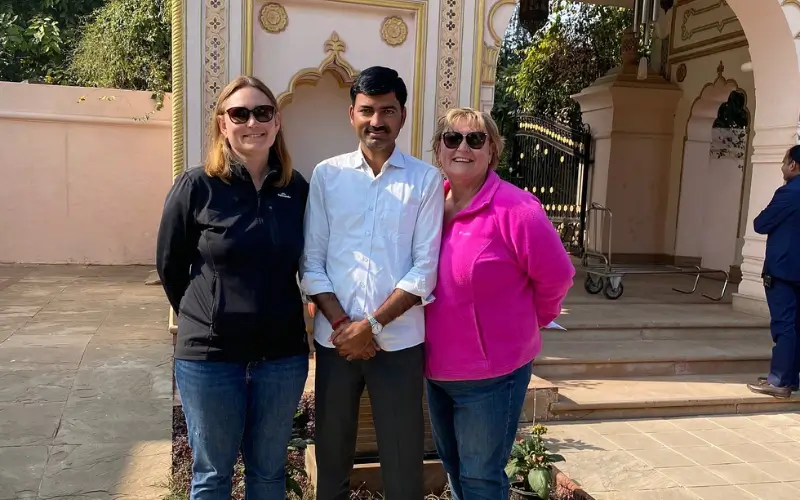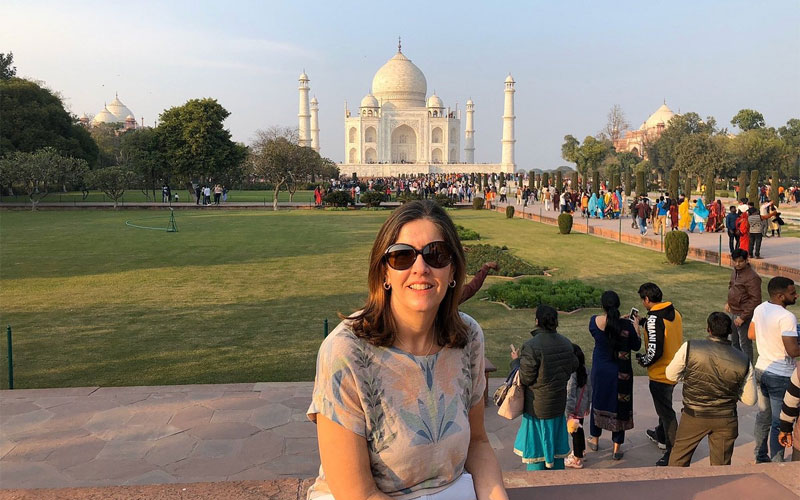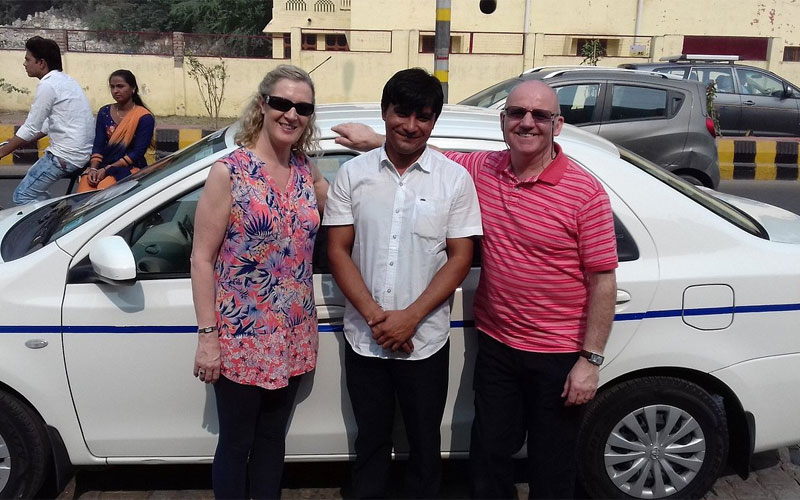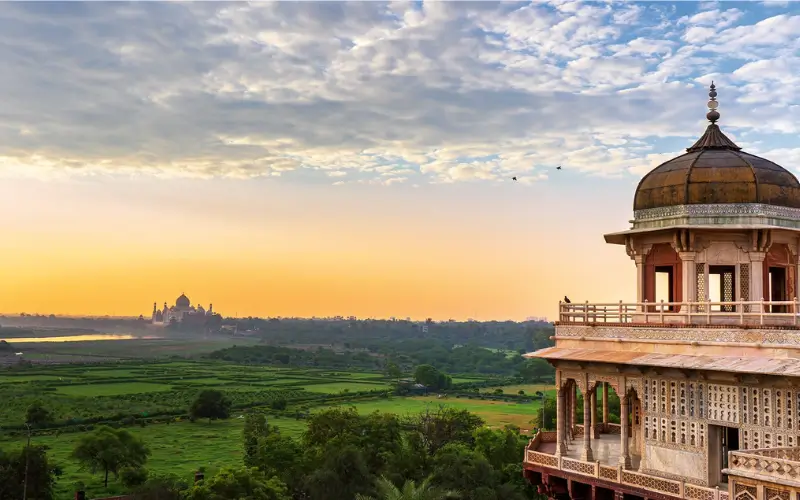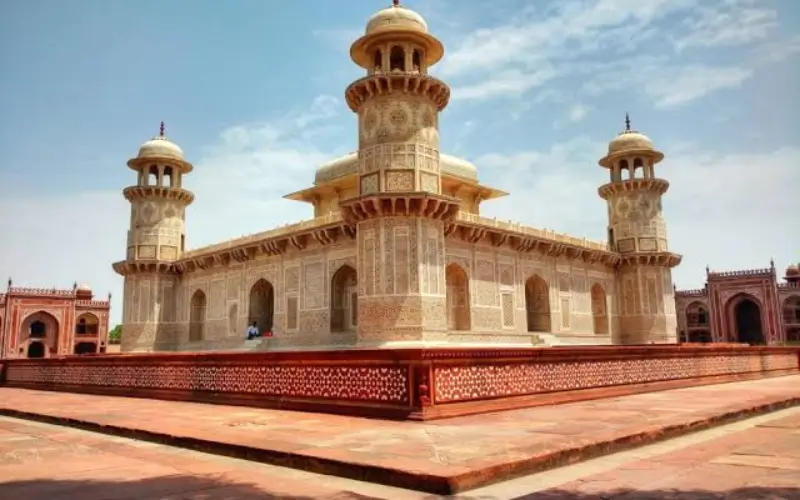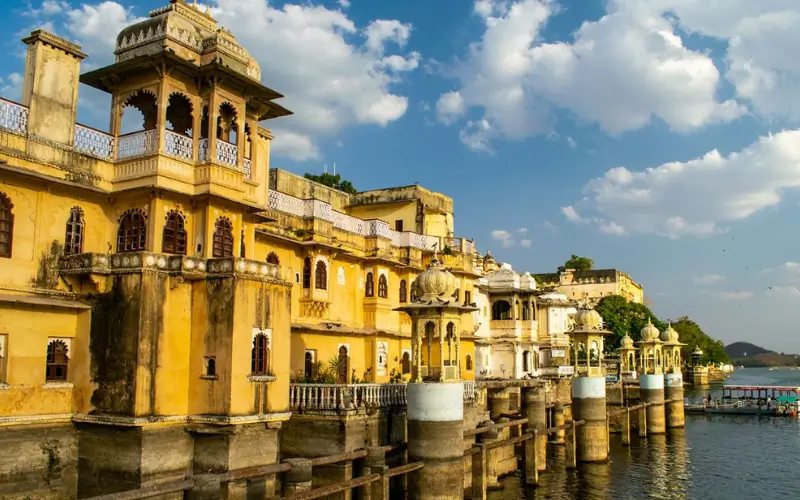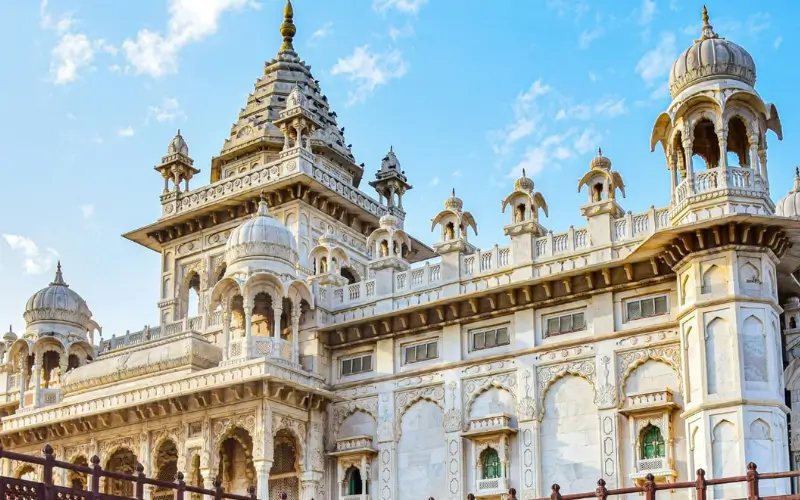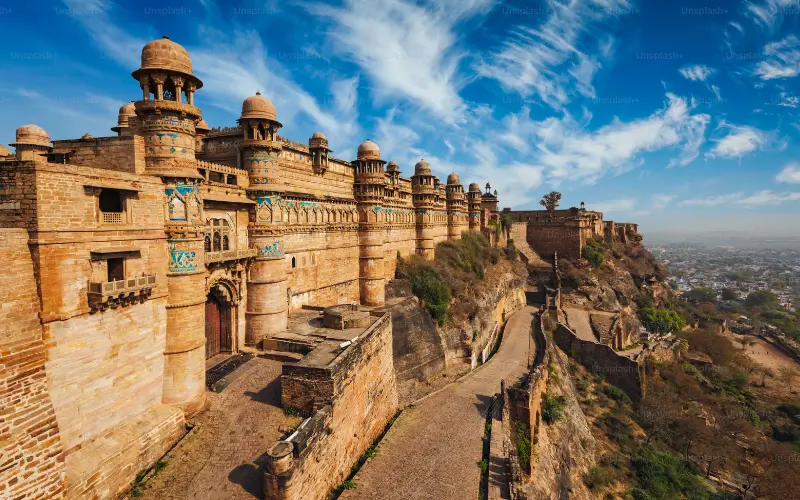
Jennifer, a schoolteacher from Denver, had wanted to visit India for twenty years. Every time she started looking, the same worries returned. The flights seemed endless, the visa process looked confusing, and she had heard stories about traffic, crowds and stomach trouble. When she finally booked, she chose a private car and driver for sixteen days across Delhi, Agra, Rajasthan and Varanasi. Afterward, she wrote that the hardest part of the trip had been the decision to go. Everything else, from the airport pickup to the last sunset in Udaipur, had felt organised, safe and far easier than she had feared.
For American travellers, an India tour from USA involves a long flight, a simple online visa and a few practical adjustments, but it rewards the effort with some of the most memorable travel anywhere. This guide covers flights from major US cities, the e-Visa and practical matters, the best time to visit and how long to stay, and realistic budgets in US dollars for a private tour with a car and driver.
Delhi is the most convenient arrival city for a North India tour, as it connects directly to Agra, Jaipur and the rest of Rajasthan by road. Mumbai is the best gateway for Goa, Kerala and western India.
Several US cities have nonstop flights to Delhi. Air India operates nonstop services from New York JFK, Newark, Chicago O'Hare, Washington Dulles and San Francisco, with schedules that vary by season. US carriers have operated nonstop routes from Newark and New York at different times as well. Nonstop flights from the East Coast take about 14 to 15 hours, and from San Francisco about 16 hours.
One-stop routes offer more choice and often better prices. Emirates via Dubai, Qatar Airways via Doha and Etihad via Abu Dhabi are popular with American travellers for their comfort and convenient connections. European carriers such as Lufthansa via Frankfurt, British Airways via London and Air France via Paris also fly to Delhi and Mumbai. Total travel time on one-stop routes is usually 18 to 22 hours.
| Cabin | Typical Round Trip Fare (USD) | Notes |
| Economy | 1,000 – 1,700 | Higher in December and around US holidays |
| Premium Economy | 2,200 – 3,500 | Wider seats, worth it on 15-hour flights |
| Business Class | 4,500 – 8,000 | Lie-flat seats, lounge access |
Fares rise sharply for travel between mid-December and early January, when many Indian-American families visit home. Booking three to five months ahead gives the best fares for October to March travel.
Many flights from the US arrive in Delhi late at night or in the early morning hours. This is normal, and a good tour company will arrange a driver to meet you at the arrivals exit whatever the time. The Delhi airport transfer to a central hotel takes 45 to 75 minutes. If your flight lands after midnight, book your first hotel night from the previous date so the room is ready when you arrive.
Choose your seat wisely on such long flights. An aisle seat makes it easier to stretch and walk, which helps circulation. Compression socks, a neck pillow, an eye mask and noise-cancelling headphones make a big difference. Drink plenty of water and avoid too much alcohol on board.
Jet lag is real when crossing nine to thirteen time zones. India is 9.5 hours ahead of US Eastern Standard Time and 12.5 hours ahead of Pacific Standard Time, with one hour less difference during US daylight saving. Most travellers need two to three days to adjust fully. Keep the first day light, with a short afternoon walk in Delhi and an early night, rather than a full day of sightseeing. Getting outdoors in daylight helps reset your body clock faster.
For the return flight, many departures from Delhi leave in the early hours of the morning. Your driver can collect you from your hotel around midnight or 1 AM, so it is worth keeping the hotel room until departure. Some companies arrange a late check-out or a day-use room for a small extra charge.
Your Journey from the USA to India Starts with a Perfect Plan
Planning a trip to India from the USA? Let Heritage India Private Tours turn your travel plans into a seamless, personalised experience.
US citizens need a visa to visit India, and the easiest option is the Indian e-Tourist Visa. Applications are made online through the official Government of India e-Visa website, and approval usually arrives by email within three to five working days. Apply at least two weeks before travel to be safe, but not more than 120 days ahead.
The e-Tourist Visa is available as a 30-day double-entry visa, a one-year multiple-entry visa and a five-year multiple-entry visa. Fees for US citizens range from about USD 25 to USD 80, depending on the validity. You will need a scanned passport photo page, a recent photograph with a white background, and a passport valid for at least six months from the date of arrival with two blank pages. Use only the official government website, as many lookalike sites charge high service fees.
Money is easy to manage. ATMs are widely available in cities, and most accept US debit cards. Withdrawals are usually limited to INR 10,000 to INR 20,000 per transaction, and Indian banks may charge INR 200 to INR 250 per withdrawal, on top of your own bank's fees. Credit cards are accepted at hotels, larger restaurants and shops. Keep cash for small purchases, tips, parking and markets. Inform your bank of your travel dates before you leave.
Tipping in India is customary but modest by US standards. A fair tip for a driver is INR 500 to INR 1,000 per day, and for a local guide INR 500 to INR 1,000 for a half day. Hotel porters usually receive INR 100 to INR 200, and restaurant tips of 5 to 10 percent are common if a service charge is not already included.
Electrical sockets in India use 230 volts and types C, D and M plugs. Most phone and laptop chargers work on dual voltage, so you only need a plug adapter. Hair dryers and other US appliances designed for 110 volts need a converter.
For mobile data, an international eSIM is the simplest option, or you can buy an Indian SIM at the airport with your passport and visa. WhatsApp is the main way drivers, guides and hotels communicate in India, so make sure it is installed.
Health preparation is sensible. The US Centers for Disease Control and Prevention recommends vaccinations such as hepatitis A and typhoid for most travellers to India. Consult your doctor four to six weeks before travel. Drink only bottled or filtered water, eat freshly cooked food, and carry basic stomach medication and hand sanitiser.
Travel insurance with medical coverage and cancellation protection is strongly recommended, as most US health insurance policies do not cover care abroad. Private hospitals in major Indian cities are of a high standard, but costs for international patients can be significant without insurance.
The best time for a North India tour is from October to March, when days are warm and dry and evenings are cool. In Delhi, Agra and Jaipur, daytime temperatures range from 20 to 30°C during these months. December and January are the coolest, with morning fog in Delhi and Agra and cold desert nights in Rajasthan.
For American travellers, a few periods stand out. October and November offer pleasant weather, festivals such as Diwali, and good availability before the winter peak. The week of Thanksgiving is popular with US travellers, as it allows a longer break with fewer vacation days. February and March bring sunny days, comfortable temperatures and the colourful Holi festival, which coincides well with spring break.
The Christmas and New Year period is the busiest and most expensive time to visit. Hotel rates rise sharply, and flights from the US are at their highest. If you travel during this time, book four to six months ahead.
From April to June, North India becomes very hot, with temperatures above 40°C in Delhi and Rajasthan. This is a good time for the Himalayas, Ladakh and hill stations instead. The monsoon season from July to September brings rain and humidity, though Rajasthan receives less rain than most of India and the countryside turns green.
Given the long flights and jet lag, a trip of at least twelve to sixteen days makes sense for most Americans. Ten days is possible but tight, especially if two or three days are spent recovering from jet lag. A sixteen-day tour allows time for Delhi, Agra, Jaipur, Jodhpur and Udaipur, with an optional extension to Varanasi or Ranthambore.
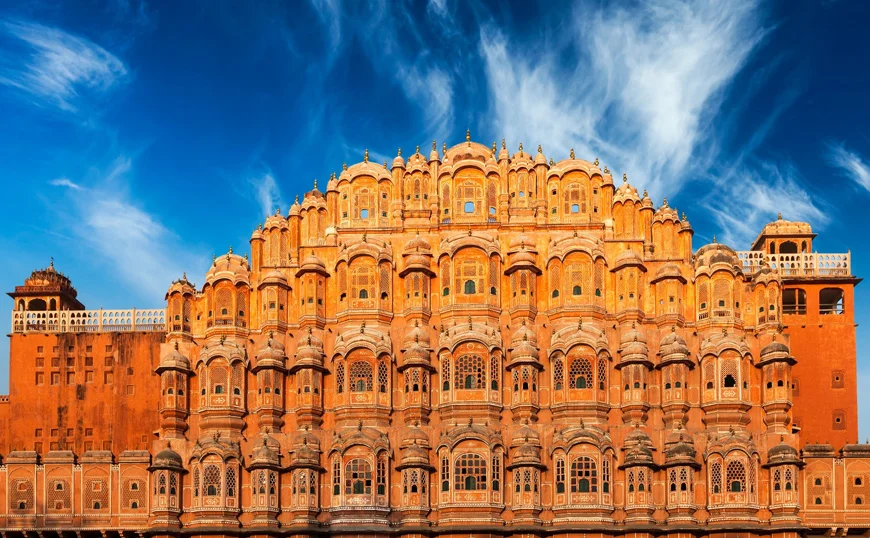
A popular route for first-time US visitors combines the Golden Triangle with Rajasthan. It starts with two nights in Delhi, continues to Agra for the Taj Mahal, then spends two nights in Ranthambore for tiger safaris, two in Jaipur, two in Jodhpur and three in Udaipur, before flying back to Delhi for the return flight. This gives a strong mix of history, wildlife, palaces and relaxation.
For a shorter trip of ten to twelve days, focus on the Golden Triangle plus one or two additions, such as Udaipur or Varanasi, rather than trying to cover too much ground.
Indian festivals can shape your dates. Diwali, the festival of lights, falls in October or November and fills cities with lamps, fireworks and sweets, though some shops and offices close for a few days. The Pushkar Camel Fair takes place in November, and Holi, the festival of colours, falls in March. Each adds colour to a trip, but also raises hotel prices and crowds in the places where they are celebrated most.
Discover India Your Way, with Every Detail Thoughtfully Planned
Make your journey from America to India more personal with a travel plan designed around the places, experiences and comfort you value most.
A private tour with a car and driver is often less expensive than Americans expect, especially when compared with guided tours in Europe. The figures below show a realistic land cost per person for a fourteen-day tour of Delhi, Agra and Rajasthan, with two travellers sharing a room and a private car. They include hotels with breakfast, the car and driver, local guides, monument tickets and a meal allowance, but exclude international flights.
| Travel Style | Per Person, 14 Days (USD) |
| Comfortable 3-star hotels | 1,600 – 2,000 |
| 4-star and heritage hotels | 2,300 – 3,000 |
| 5-star hotels | 4,000 – 5,500 |
| Luxury palace hotels (Oberoi, Taj) | 8,000 – 12,000 |
The car and driver for fourteen days cost about USD 800 to USD 1,100 in total for a sedan, or USD 1,050 to USD 1,300 for a Toyota Innova, including fuel, tolls, permits and driver allowance. Split between two travellers, that is roughly USD 30 to USD 45 per person per day, a fraction of the cost of a private driver in Europe or the US.
Adding international flights, a typical American couple travelling in four-star heritage hotels can expect a total trip cost of about USD 3,500 to USD 4,500 per person. Choosing premium economy flights adds about USD 1,200 to USD 1,800 per person.
Daily spending beyond the package is modest. A good restaurant dinner for two outside the hotel costs about USD 25 to USD 50, a bottle of water less than a dollar, and a cup of coffee at a café USD 2 to USD 4. Shopping is the area where budgets most often stretch, as Jaipur textiles, Agra marble inlay and Jodhpur antiques are hard to resist. Many travellers set aside USD 300 to USD 800 for gifts and souvenirs, and larger items such as carpets can be shipped home by reputable stores, usually arriving in six to ten weeks.
Solo travellers pay more per person, because they do not share the car or room. A solo traveller on a fourteen-day four-star tour typically pays about USD 3,600 to USD 4,600 for the land arrangements. Families with children under twelve can often share rooms with extra beds, which keeps costs down.
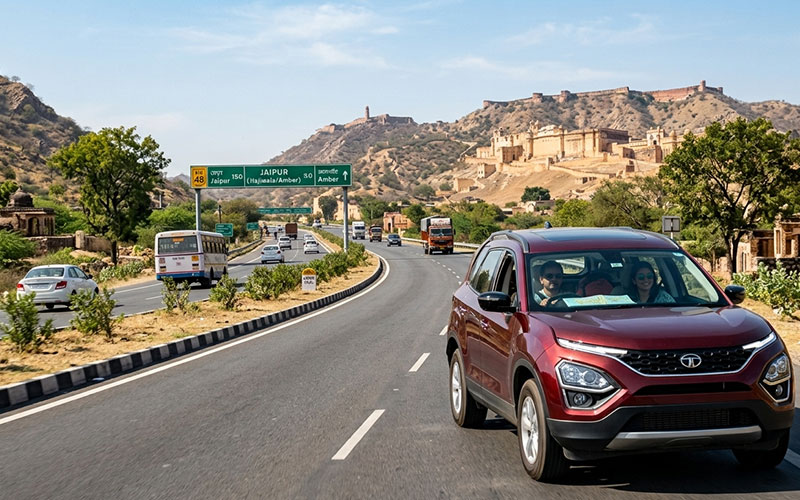
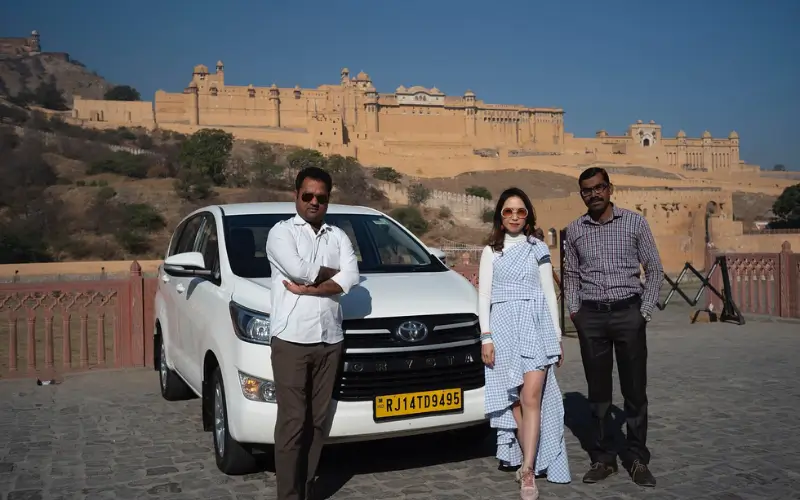
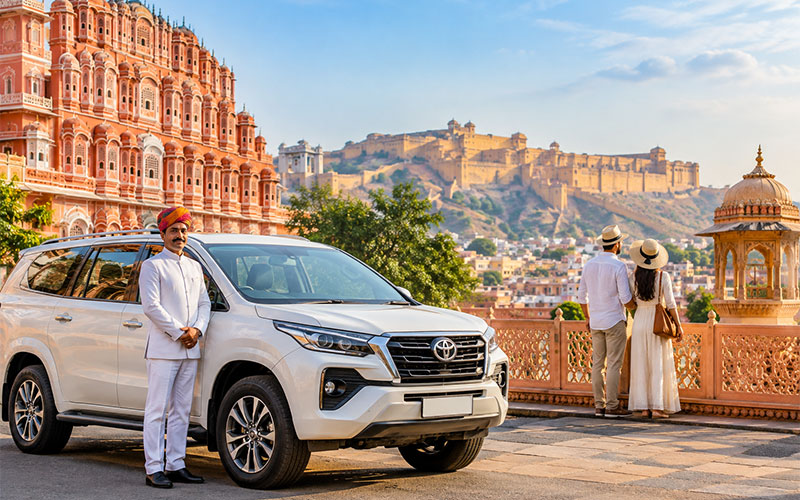
Many Americans appreciate the value of a private driver for safety and comfort. The driver collects you from the airport, takes you between cities, waits while you visit monuments and helps with practical matters such as finding good restaurants or pharmacies. Unlike group tours, the schedule follows your pace, and you can change the day's schedule each morning.
Heritage India Private Tours has hosted travellers from the USA for many years, and many of its reviews on TripAdvisor come from American guests who returned for second and third trips.
Nonstop flights from the East Coast to Delhi take about 14 to 15 hours, and from San Francisco about 16 hours. One-stop routes take 18 to 22 hours.
Yes. The Indian e-Tourist Visa is applied for online and usually approved within three to five working days.
About USD 25 to USD 80, depending on whether you choose the 30-day, one-year or five-year visa.
October to March offers the best weather. Thanksgiving week, February and March are especially good for US travellers.
A private tour with four-star and heritage hotels costs about USD 2,300 to USD 3,000 per person on land, plus USD 1,000 to USD 1,700 for economy flights.
Yes. A private driver from an established company adds safety, comfort and local knowledge, especially for first-time visitors.
About INR 500 to INR 1,000 per day for a driver and INR 500 to INR 1,000 for a half-day guide.
Yes, at hotels, larger restaurants and shops. Keep cash for markets, tips and small purchases.
The CDC recommends hepatitis A and typhoid for most travellers. Consult your doctor four to six weeks before travel.
At least twelve to sixteen days, to allow time for jet lag recovery and a relaxed pace.