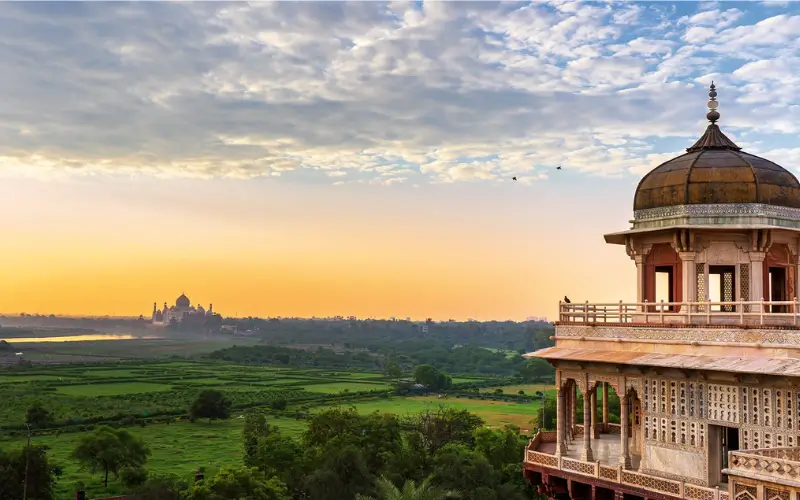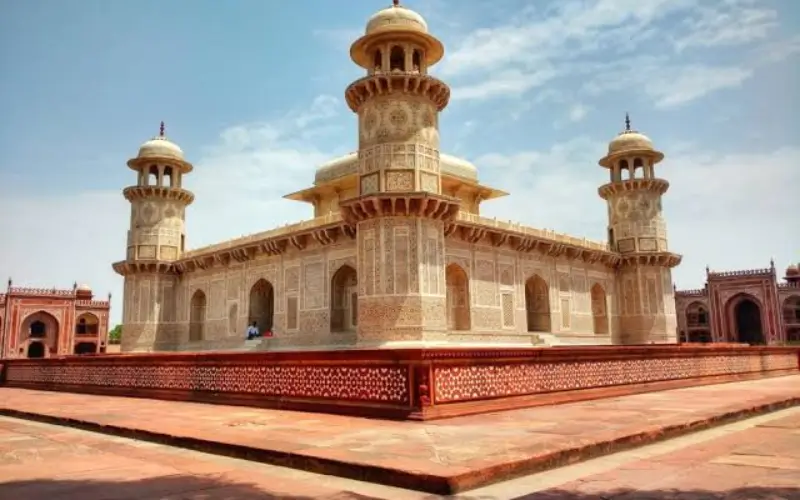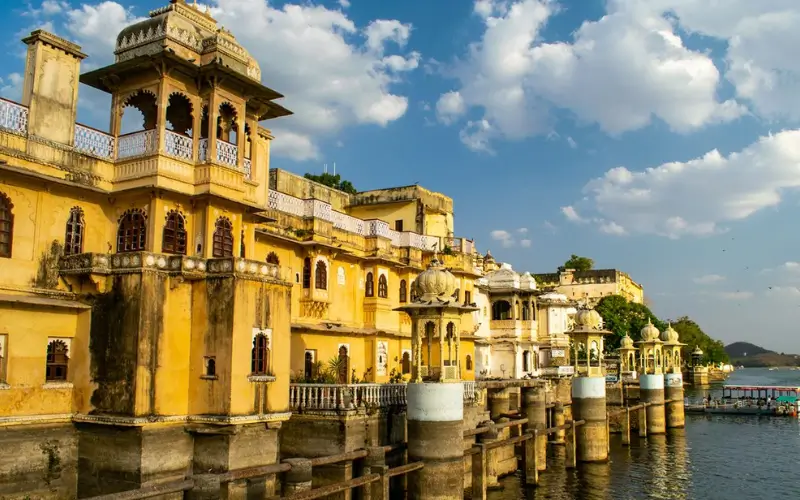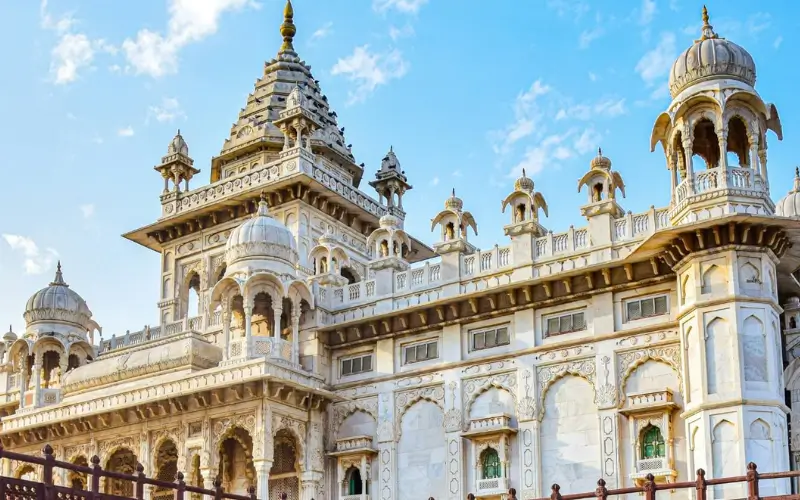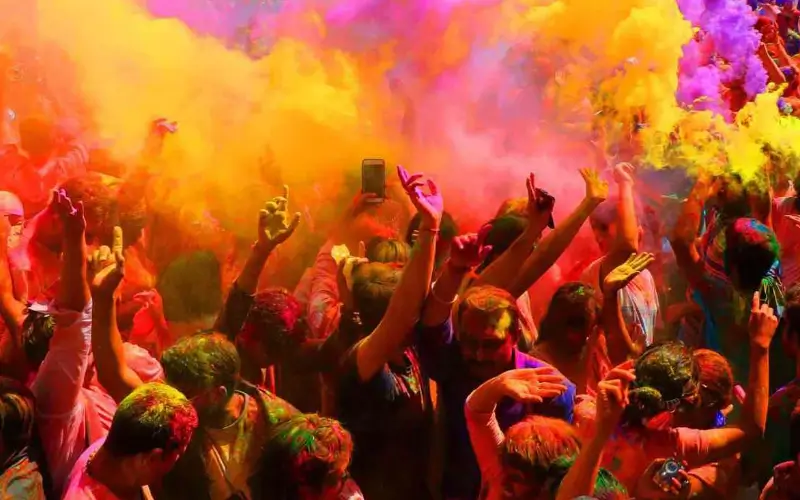
On the evening before Holi, the courtyard of the City Palace in Udaipur fills with music. Drummers in red turbans beat a steady rhythm, decorated horses stand in a line, and the royal family of Mewar arrives to light a huge bonfire that symbolises the victory of good over evil. The next morning, the whole city wakes up early. By 9 AM, the lanes around Lake Pichola are a blur of pink, green and yellow powder, children run with water pistols, and strangers greet each other with a smear of colour on the cheek and a cheerful "Happy Holi!"
Holi, the festival of colours, marks the end of winter and the arrival of spring. It is one of the most joyful days in India, and Rajasthan celebrates it with royal grandeur in its palaces and pure energy in its streets. A Holi festival tour in Rajasthan with a private car and driver lets you enjoy both sides safely, with a comfortable hotel to return to and a driver who knows exactly where to go and when to leave. This guide covers the best places to celebrate, a seven-night festival itinerary, costs and hotel rates, and the safety tips that make Holi fun rather than overwhelming.
Where to Celebrate Holi in Rajasthan
Holi falls on the day after the full moon in late February or March, with the bonfire night on the evening before. The exact date changes every year, so check it before booking flights. Each city in Rajasthan offers a different style of celebration.
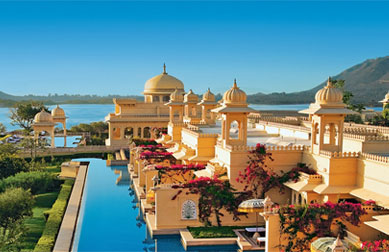
Udaipur is the most elegant place to spend Holi. On the eve of the festival, the Mewar royal family holds a traditional bonfire ceremony at the City Palace, with a royal procession, folk musicians, decorated horses and a band. Access is limited, and places are usually arranged through the palace hotels, such as the Shiv Niwas Palace and the Fateh Prakash Palace, or through well-connected tour operators. On Holi day, the colour play is lively around the old city and Gangaur area near the lake, while many lakeside hotels host private celebrations on their rooftops and lawns. Udaipur combines royal tradition with a relaxed atmosphere, which suits couples and families.
Jaipur offers a mix of hotel parties and neighbourhood celebrations. Several five-star and heritage hotels organise Holi parties on their lawns, with organic colours, music, dancers, food stalls and drinks. These are safe, well-managed and popular with international visitors. The older parts of the city, around the walled Pink City, see energetic street celebrations that are fun to watch from a rooftop. Jaipur is also a convenient base, with excellent hotels and easy connections to Delhi and Agra.
Pushkar is famous for its wild, carefree Holi. The small holy town fills with backpackers and young travellers, and the main market and the streets around the sacred lake turn into one long colour party with music and dancing. It is exciting and memorable, but crowded and chaotic, and intoxicating drinks are common. Pushkar suits young, adventurous travellers more than families or older visitors. Women travellers should go in groups and stay alert.
Mathura and Vrindavan, outside Rajasthan but close to Agra and Jaipur, are the spiritual heart of Holi, linked to the legends of Krishna. Celebrations here begin about a week before the main day. In the nearby village of Barsana, women playfully chase men with long sticks in a famous ritual that draws photographers from around the world. The temples of Vrindavan host celebrations with flower petals as well as colours. These events are very crowded and best experienced with a local guide.
Shekhawati and smaller towns offer a quieter, village-style Holi. In places like Mandawa and Nawalgarh, the festival is celebrated with folk songs, drums and dancing in the town squares. Staying at a heritage hotel here gives a more authentic and peaceful experience.
For most international travellers, the best approach is to watch the bonfire night in Udaipur or Jaipur, then join a hotel Holi party on the main day, with an optional short walk into the streets with a guide in the morning.
This seven-night private tour starts in Delhi, includes the pre-Holi celebrations near Agra, and ends with the bonfire night and Holi day in Udaipur. The route can be adjusted depending on the exact date of the festival.
Arrive in Delhi and spend the first night near the airport or in South Delhi. The next morning, drive to Agra via Vrindavan. If your dates match the week before Holi, you can join the temple celebrations in Vrindavan with flowers and colours, accompanied by a local guide. Continue to Agra for the night, and visit the Taj Mahal at sunrise the following morning.
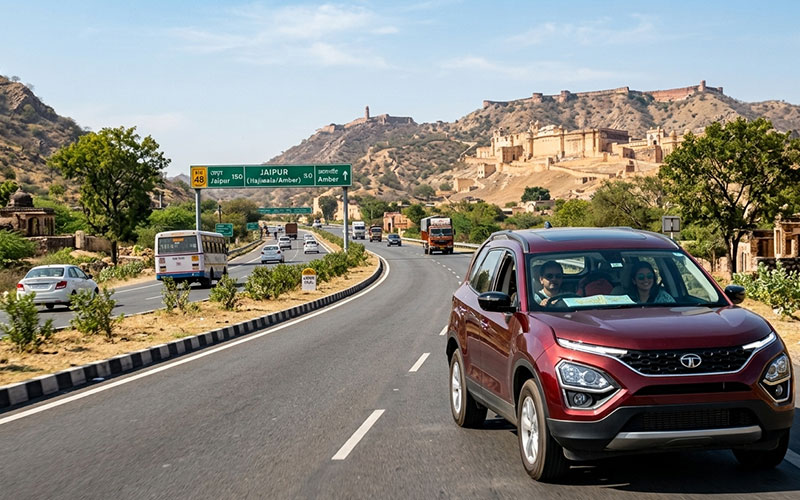
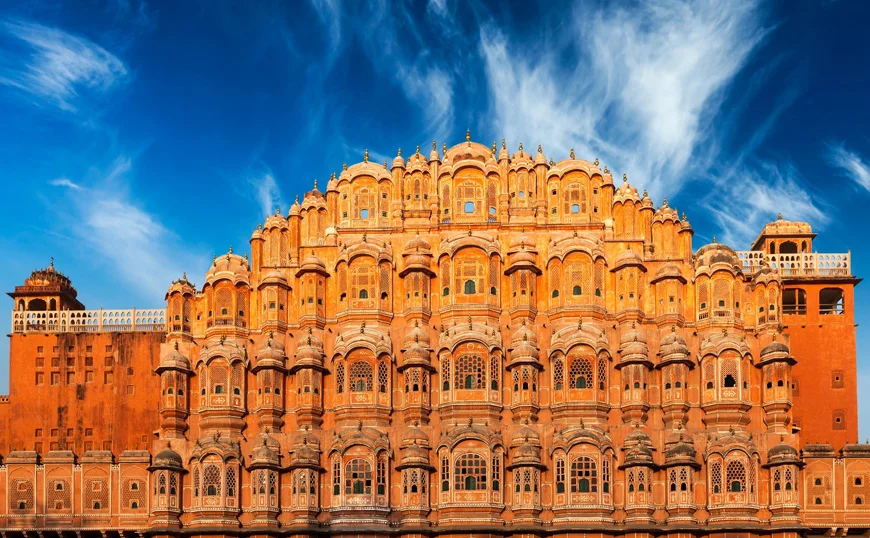
From Agra, drive to Jaipur via Fatehpur Sikri. Spend two nights in Jaipur, with a full day at Amber Fort, the City Palace and Hawa Mahal. The city starts to fill with festive energy in the days before Holi, and markets sell colours, water pistols and sweets made specially for the season.
From Jaipur, drive about two and a half hours to Pushkar for one night. Even a few days before Holi, Pushkar has a festive atmosphere, with music in the cafés and colourful stalls. If you prefer a quieter stop, replace Pushkar with a night at a rural heritage hotel in the Aravalli hills.
From Pushkar, drive about five hours to Udaipur and spend the last two nights here. The first evening is the bonfire night, ideally at the City Palace ceremony or at a lakeside hotel with its own bonfire and folk performance. The next morning is Holi day. Join a hotel Holi party on the lawns or rooftop from about 9 AM to 1 PM, then shower, rest and enjoy a quiet afternoon. In the evening, take a boat ride on Lake Pichola or enjoy a rooftop dinner as the city calms down. The following morning, fly from Udaipur to Delhi or Mumbai for your international connection.
This route covers about 1,200 kilometres and includes some of the finest sights in North India, timed so that the most important festival days fall in Udaipur, where the celebration is both royal and relaxed.
If you prefer Jaipur for the main festival, reverse the route: start with Udaipur, travel through Pushkar and spend the bonfire night and Holi day in Jaipur, ending with Agra and Delhi.
Remember that Holi is a public holiday. Many shops, restaurants and monuments close or open late on the main day, and roads are quiet in the morning. Avoid any travel on Holi day itself, and avoid booking long drives for the following morning in case of late celebrations. Most importantly, keep Holi day free for the festival and rest.
Holi is a popular time for both Indian and international tourists, and prices rise accordingly, especially in Udaipur, Jaipur and Pushkar. The table below shows realistic, higher-side costs for the festival period.
|
Item |
Cost (INR) |
Notes |
|---|---|---|
|
4-star or heritage hotel, per night |
9,000 – 16,000 |
20 – 40 percent above normal rates |
|
5-star hotel, per night |
20,000 – 45,000 |
Book 3 months ahead |
|
Luxury palace hotel, per night |
60,000 – 150,000 |
Often includes Holi events |
|
Hotel Holi party, per person |
2,500 – 6,000 |
Organic colours, music, food, some drinks |
|
Royal bonfire event access, per person |
5,000 – 15,000 |
Where available through palace hotels |
|
Sedan with driver, per day |
4,800 – 5,800 |
Includes tolls, permits and allowance |
|
Innova Crysta with driver, per day |
6,500 – 7,500 |
Best for families and groups |
|
Local guide for Vrindavan celebrations |
2,000 – 3,500 |
Strongly recommended |
For two travellers sharing a room and a private car, the seven-night Holi tour costs about INR 85,000 to INR 110,000 per person, or roughly USD 965 to USD 1,250, with four-star and heritage hotels. With five-star hotels, expect INR 150,000 to INR 200,000 per person. With luxury palace hotels in Udaipur and Jaipur, the cost rises to INR 300,000 or more per person.
These prices include hotels with breakfast, the car and driver, guides, monument tickets and a Holi party, but exclude international flights and the domestic flight from Udaipur, which costs INR 5,000 to INR 9,000 per person.
Some hotels sell Holi packages that include two or three nights, the bonfire evening, a Holi party, special dinners and white clothes for the celebration. These packages often represent good value, as they bundle events that would be difficult to arrange separately.
Hotels sell out early, especially in Udaipur, where lakeside rooms are limited. Book at least three months before the festival, and earlier if you want a palace hotel.
Car rates also rise slightly during Holi week, because many drivers take leave to celebrate at home and demand from domestic tourists is high. Booking the car together with the hotels secures an experienced driver for the whole tour. Most companies add a small festival allowance of INR 500 to INR 1,000 for the driver on Holi day, which is a fair gesture given that he spends the festival away from his family.
Flights are another cost to watch. Domestic fares into Udaipur and Jaipur climb in the days before Holi, as Indian families travel home and tourists arrive for the celebrations. Booking domestic flights at the same time as the tour keeps them closer to normal levels, often INR 5,000 to INR 7,000 per person rather than INR 10,000 or more in the final week.
Extra spending during the festival tends to be modest. Colours and water pistols from local markets cost INR 100 to INR 500, a white cotton outfit for the day INR 500 to INR 1,500, and festive sweets from good sweet shops INR 400 to INR 900 per kilogram. Some travellers also book an evening folk dance show or a special Holi dinner, which costs INR 2,000 to INR 4,500 per person at hotels.
Travel insurance is worth checking before the trip. Some policies exclude injuries caused by intoxication, so it is one more reason to avoid drinks offered by strangers. A good policy should still cover eye irritation, minor injuries and trip delays caused by festival crowds.
Holi is joyful, but it can be overwhelming for first-time visitors. A few simple precautions make the day far more enjoyable.
Wear old clothes that you are happy to throw away. Many travellers buy a cheap white cotton outfit, which shows the colours beautifully in photographs. Cover as much skin as possible, and wear closed shoes.
Before going out, rub coconut oil or a heavy moisturiser on your skin and hair. This makes the colours much easier to wash off afterwards. Remove contact lenses and wear sunglasses to protect your eyes. Keep your mouth closed when someone throws powder near your face.
Protect your phone and camera in a waterproof pouch or zip bag. Leave valuables, passports and jewellery in the hotel safe, and carry only a small amount of cash.
Choose organic colours where possible. Hotel parties use safe, skin-friendly colours, while some street colours contain chemicals that can irritate the skin and eyes.
Do not accept drinks or sweets from strangers, as some contain intoxicating substances. Drink bottled water and eat at your hotel or trusted restaurants.
Street celebrations are most enjoyable in the morning, from about 9 AM to noon. By early afternoon, some groups become rowdy, and it is best to return to the hotel. Women travellers should stay in groups or with a guide, and avoid crowded street areas later in the day.
Expect your driver to have the morning off. Holi is an important festival for Indian families, and most drivers celebrate with their communities. A good company arranges the schedule so no driving is needed on Holi day itself. If you need a car, arrange it in advance.
Colours can take two or three washes to fade from skin and hair. Hotels often provide extra towels and showers by the pool area after their Holi parties. Some colour may remain on nails and hair for a few days, which most travellers wear as a happy souvenir. Pink and green tend to last longest, so avoid booking formal dinners or business meetings on the day after Holi.
Heritage India Private Tours arranges Holi festival tours with carefully timed itineraries, safe hotel celebrations and experienced English-speaking drivers. We can help secure places at royal bonfire events where possible, recommend hotels with the best Holi parties, and arrange guides for the Vrindavan celebrations.
Udaipur offers a royal and relaxed celebration, Jaipur has safe hotel parties, and Pushkar has the wildest street celebration.
Holi falls on the day after the full moon in late February or March, with the bonfire night on the evening before. The exact date changes each year.
Yes, with sensible precautions. Hotel parties are the safest option, and street celebrations are best enjoyed in the morning with a guide.
Access is limited. Places are usually arranged through the palace hotels or well-connected tour operators, and they should be requested early.
About INR 2,500 to INR 6,000 per person, usually including organic colours, music, food and some drinks.
Old clothes you can throw away, ideally white cotton, with closed shoes and sunglasses.
Apply coconut oil before the celebration, then wash with mild soap and warm water. It may take two or three washes.
Many monuments and shops close or open late on the main day. Keep Holi day free for the festival.
Yes, usually by 20 to 40 percent in Udaipur, Jaipur and Pushkar. Book at least three months ahead.
It is best to avoid driving on Holi morning. Roads are busy with celebrations, and most drivers spend the morning with their families.